 Scholar Nurse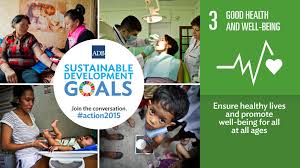
Health care and SDG 3: Advancing Better Care Through Nursing
Nurses at the Core of Global Health
Nurses are not only at the front line of the journey to reach the United Nations.
Sustainable Development Goal 3 (SDG 3):
Good Health and Well-Being, but also serve as the pillars to move forward and achieve it. The aim of this objective is to be healthy and happy at all ages. The nurses are the largest part of the healthcare labor force in the entire world and contribute to this goal enormously. They don’t need to be involved in clinical services; they are also at the prevention, education, advocacy, and bigger picture of UHC. This blog is about the contribution made by nurses to SDG 3 and why they should not be overlooked in global health strategies (World Health Organization [WHO], 2020).
Nurses serve as Primary Health Providers by providing health services.
Nurses as Primary Health Providers
Nurses are the main pillars of the global health care system and are often the first to contact patients. More than half of the global health workforce is nurses (WHO, 2020). The role of a nurse spans disease prevention, disease treatment, and disease recovery, including giving immunizations and giving education on how to manage health.
The nurse could, in certain health care situations, for example, in remote areas, deliver primary health care. Through these zones of care, health care services can reach the most vulnerable and impoverished population well and far surpass SDG 3’s goal to reduce maternal deaths, combat communicable diseases and promote mental health services (International Council of Nurses [ICN], 2020).
Improving Maternal & Child Health
The goal is to enhance the health of mothers and children. The goal is to build up maternal and child health.
In the case of maternal and child health, nursing is manifesting itself more strongly in one of the more important areas of SDG3.
Nurses play a vital role in reducing maternal mortality, which is also crucial according to SDG 3.1. Nurses provide antenatal, safe delivery, and postnatal care services to ensure mother and child are healthy and safe in many countries (United Nations, 2015).
Nurses also take part in newborn care, ensuring that children are vaccinated on time and receive their nutrition and the right medical care so that they can avoid potentially life-threatening illnesses, including pneumonia and diarrheal diseases, which are among the leading causes of child deaths. Midwives and women trained in maternal health intervention carry out life-saving actions in areas where they are the only providers of obstetric services, thereby decreasing maternal and infant mortality rates (WHO, 2020).
Combating Infectious Diseases and Advancing Public Health
A medical study of ways to prevent infectious diseases and improve the health of populations. A medical science about measures to prevent infectious diseases and to promote the health of populations.
Nurses are right on the front lines in preventing, treating, and educating to fight infectious diseases. Nurses have a crucial role, for instance, in rolling out vaccines in the event of an outbreak of a disease like measles, polio, and now COVID-19. In the era of the COVID-19 pandemic, nurses could not be replaced in their important role of providing care, ensuring resources, and informing the public about hygiene measures, testing, and vaccination procedures (ICN, 2020).
The nurses can provide direct care in HIV/AIDS-infected areas, for malnourished children, and in TB infected areas to ensure that patients are following the treatment protocols and that they are receiving care in managing their chronic illness. In addition, nurses provide education to the communities on preventing issues such as sanitation and safe sex.
Nurses can give direct care, but they can also be instrumental to public health campaigns and contribute their skills to raise awareness about preventable diseases and to encourage healthy behaviors. As a consequence, they contribute to achieving SDG 3 objectives relating to the prevention and control of disease, health education, and the promotion of health literacy (United Nations, 2015).
Mental Health Care & Well-Being
Well-Being, Mental Health Care
Mental health is a key component of SDG 3 but is frequently overlooked. The overall mental health situation is worsening, and nurses have an important role to play in supporting mental health care and providing psychosocial support for people suffering from depression, anxiety, bipolar disorder, and schizophrenia. Nurses have a pivotal role in early recognition of signs of mental illness, creating care plans, and referrals to specialist services as needed (WHO 2020).
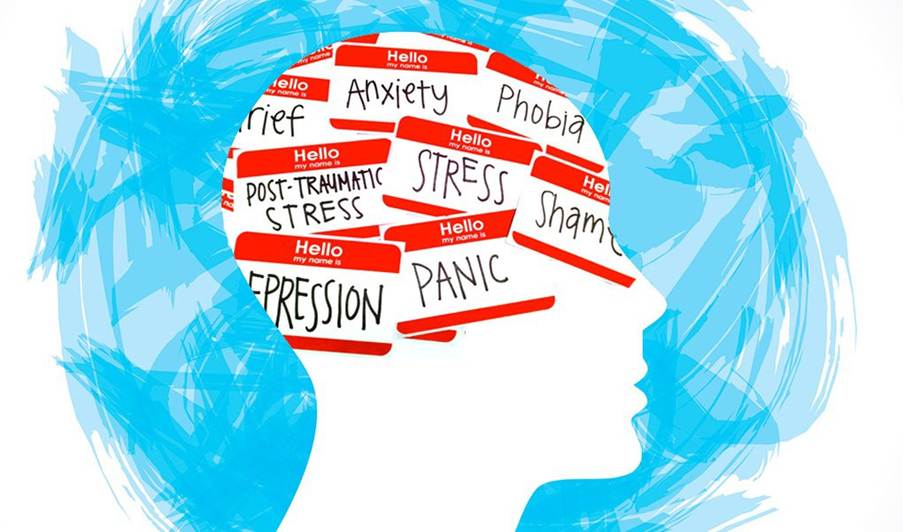
Moreover, mental health nursing is not merely about treating a patient’s disease, but it is also about giving emotional support to the client, establishing a safe zone for the client to discuss their emotions, educating families about their loved one’s mental health, and helping families’ mental health. Supporting these efforts, nurses have an important role in diminishing the stigma of mental health and creating an inclusive, supportive society (ICN, 2020).
Universal Health Coverage (UHC) & Advocacy
How is it possible to achieve Universal Health Coverage (UHC) and Advocacy?
Universal Health Coverage (UHC), which ensures that everyone, everywhere, has access to essential healthcare without financial hardship, is an integral part of SDG 3. Ensure everyone, everywhere, has access to health care at affordable costs. Nurses can make a significant contribution to health equity, helping to remove barriers for populations who seek and access quality health care services. They back policies to provide access to inexpensive healthcare, equitable healthcare systems, and universal access to crucial medicines.
In many countries, nurses play a key role in policy-making processes that affect the health-care system. They are involved in the development of health policies that emphasize primary care, preventive care, and long-term care and aim to make healthcare accessible to all people regardless of gender, location, socio-economic status, etc. These attributes are what can contribute to nurses’ role in achieving UHC (United Nations, 2015).
Challenges Faced by Nurses in Achieving SDG3
The nurse’s experience of challenges facing the achievement of SDG 3.
Nurses are expected to play a pivotal role in realizing SDG 3, but a number of challenges remain to be addressed:
Worldwide nursing shortage:
There is a severe shortage of nurses, especially in LMIC countries, due to the growing demand for the health care service. As per the International Council of Nurses (ICN) estimate, there will be a shortage of 9,000,000 nurses by 2030.
Working condition:
Many nurses work in poor working conditions with less resources, low pay scale, and a high workload, and this can create job burnout, high staff turnover, etc.
Access to education and training is limited:
Some areas lack training programs for nurses, especially in specialized areas including maternal health, mental health, and palliative care.
To play a vital role in achievement of SDG 3,
Nurses: Unsung heroes of global health
In conclusion, nurses are not just caretakers; they are leaders, advocates, and change agents who continue to work diligently to promote health and well-being to individuals and communities globally. Nurses are essential to fulfilling SDG 3 through their work in primary care, mental health, maternal and child health, and disease prevention.

Now, more than ever before, investment in nursing education, working environment, and the importance of nursing leadership is a necessity due to the health problems of the world. Nurses play a very important role in achieving health for all, and their work needs to be recognized, supported, and made more visible in the global effort to reach SDG3.
Author bio
Sadique Ali Chandio is a nursing instructor at the College of Nursing, Male, Larkana, where he has been serving since 2013. He is currently pursuing a Master of Science in Nursing (MSN) at the Aga Khan University, Karachi. He completed his Diploma in General Nursing from Sir C. J. Institute of Psychiatry, Hyderabad, in 1999. He further earned post-basic specializations in Pediatric Nursing and Ward Administration from the College of Nursing, PIMS Islamabad, in 2003 and 2005, respectively.
He also completed B.Sc. Nursing from the University of Peshawar in 2006 and a Post-RN B.Sc. in Nursing from Benazir College of Nursing, Arija, SMBBMU Larkana, in 2021. His professional interests include nursing education, pediatric nursing, clinical leadership, and building the capacity of future nurses.

References:
• World Health Organization (WHO). (2020). Nursing and midwifery: A vital resource for achieving SDG 3. Retrieved from
• International Council of Nurses (ICN). (2020). The global nursing shortage: Causes and solutions. Retrieved from
• United Nations. (2015). Transforming our world: The 2030 agenda for sustainable development. Retrieved from