 Scholar Nurse
Quality Education in the Digital Age: Bridging Gaps and Advancing Equity
The existing discussion serves as a testament to the fact that education is not a great driver of social mobility and sustainable development, as the fight for Sustainable Development Goal 4 (Quality Education) in the world is concerned. There is an inconsistency in the global quest for SDG 4 (Quality Education): education is considered and recognised as a great enabler for social mobility and sustainable development, but that discourse is not evident (Boeren, 2019). International instruments promote inclusive and equitable education; however, in many developing settings, this is not the case (Saini et al., 2023).
Despite continuous international commitments, educational inequalities continue to expand because many policies are implemented without considering the realities of disadvantaged populations. Educational reforms often focus on measurable outcomes such as enrolment rates and technological expansion while neglecting the social, cultural, and economic conditions that influence meaningful learning. As a result, education systems in many low-income countries continue to reproduce cycles of poverty and exclusion instead of eliminating them.
Most importantly, in a resource-constrained region like Pakistan, some of the substantial issues are exacerbating these concerns, such as systemic disparities, rooted in poverty and gender norms, that continue to affect access to constructive learning opportunities. Rural communities frequently lack functional schools, qualified teachers, electricity, and internet connectivity, all of which are essential for quality education in the digital age. Many families also struggle with financial insecurity, forcing children to prioritise labour over education.
Girls are disproportionately affected because cultural expectations often assign domestic responsibilities to them, reducing their educational participation and limiting future opportunities. In addition, regional inequalities between urban and rural populations further widen the quality education divide. Students in urban centres may benefit from private institutions, digital resources, and advanced learning environments, whereas students in underdeveloped areas continue to rely on overcrowded classrooms and outdated teaching approaches.
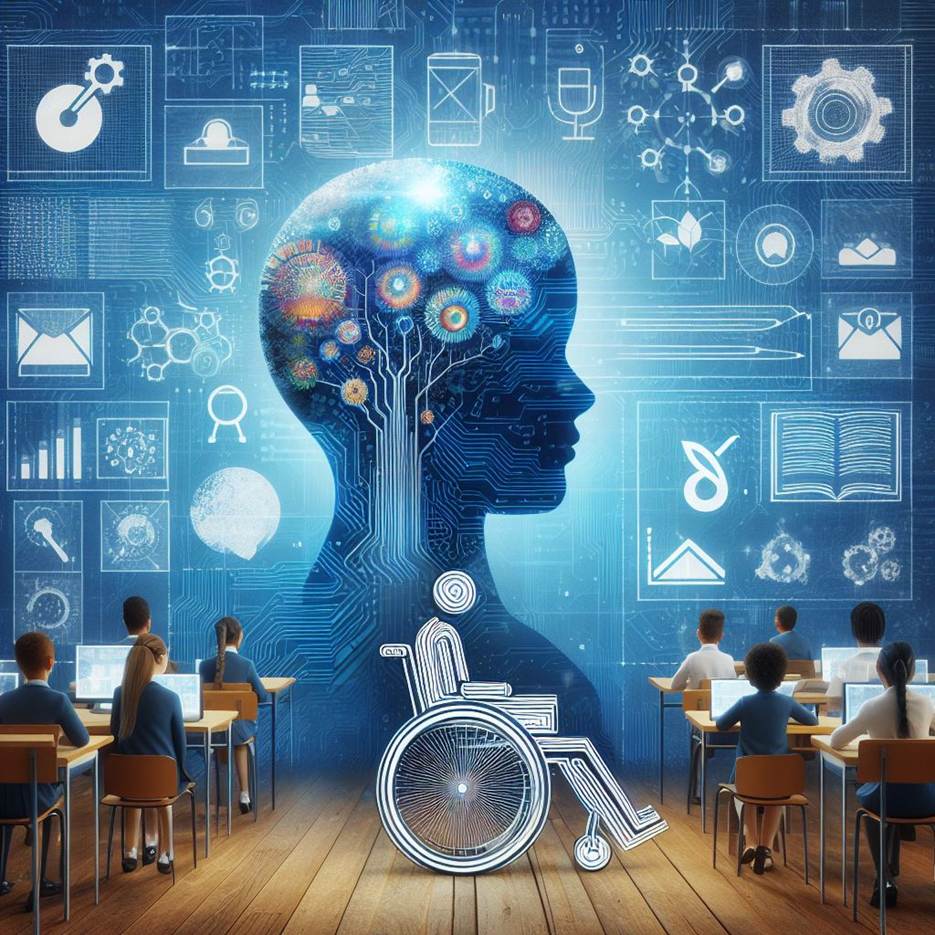
On the other hand, structural constraints continue to pose a barrier to accessing learning opportunities (Jamil, 2021). The COVID-19 pandemic has guided this shift to digital learning, which has deepened the disparities. In most cases, digital transformation has focused on access to technology and left behind already marginalized groups. In most cases, digital transformation has been about access to technology and has left behind already marginalized groups (Wangdi et al., 2021). During the pandemic, students without internet access or digital devices were unable to participate fully in online learning to get quality education.
This disruption demonstrated how technological dependence can intensify inequality when infrastructure and resources are distributed unevenly. Teachers in many developing countries were also unprepared for online instruction because they lacked adequate training in digital teaching methods. Consequently, education quality declined for millions of students who already faced disadvantages before the pandemic began. It is indeed a critical question to ask: Is the global education agenda addressing inequality or reformulating it in a different, technologically advanced format?
An extensive analysis indicates that the challenge is not simply a lack of access but the persistence of structural inequities within education systems. Technological advancements such as artificial intelligence, online learning platforms, and simulation-based education are often presented as universal solutions. However, these innovations operate within unequal socio-economic contexts, thereby reproducing disparities (Jamil, 2021). According to (Katerina Markelova, 2020).
A significant proportion of students worldwide lacked reliable internet access during school closures, highlighting the uneven distribution of digital resources. The increasing commercialisation of digital education has also raised concerns regarding affordability and accessibility. Many online learning platforms require stable internet services, expensive subscriptions, and digital literacy skills that are unavailable to disadvantaged populations. Consequently, students from privileged backgrounds continue to gain educational advantages while vulnerable groups remain excluded from meaningful participation.
From a theoretical perspective, constructivist and learner-centred approaches emphasise active engagement and access to learning tools; yet such frameworks assume conditions that are absent for many learners. Effective participation in digital learning environments requires stable infrastructure, technological competence, and supportive learning conditions. Without these resources, students struggle to benefit from modern educational approaches, regardless of curriculum reforms. In professional fields such as nursing, these limitations have serious implications.
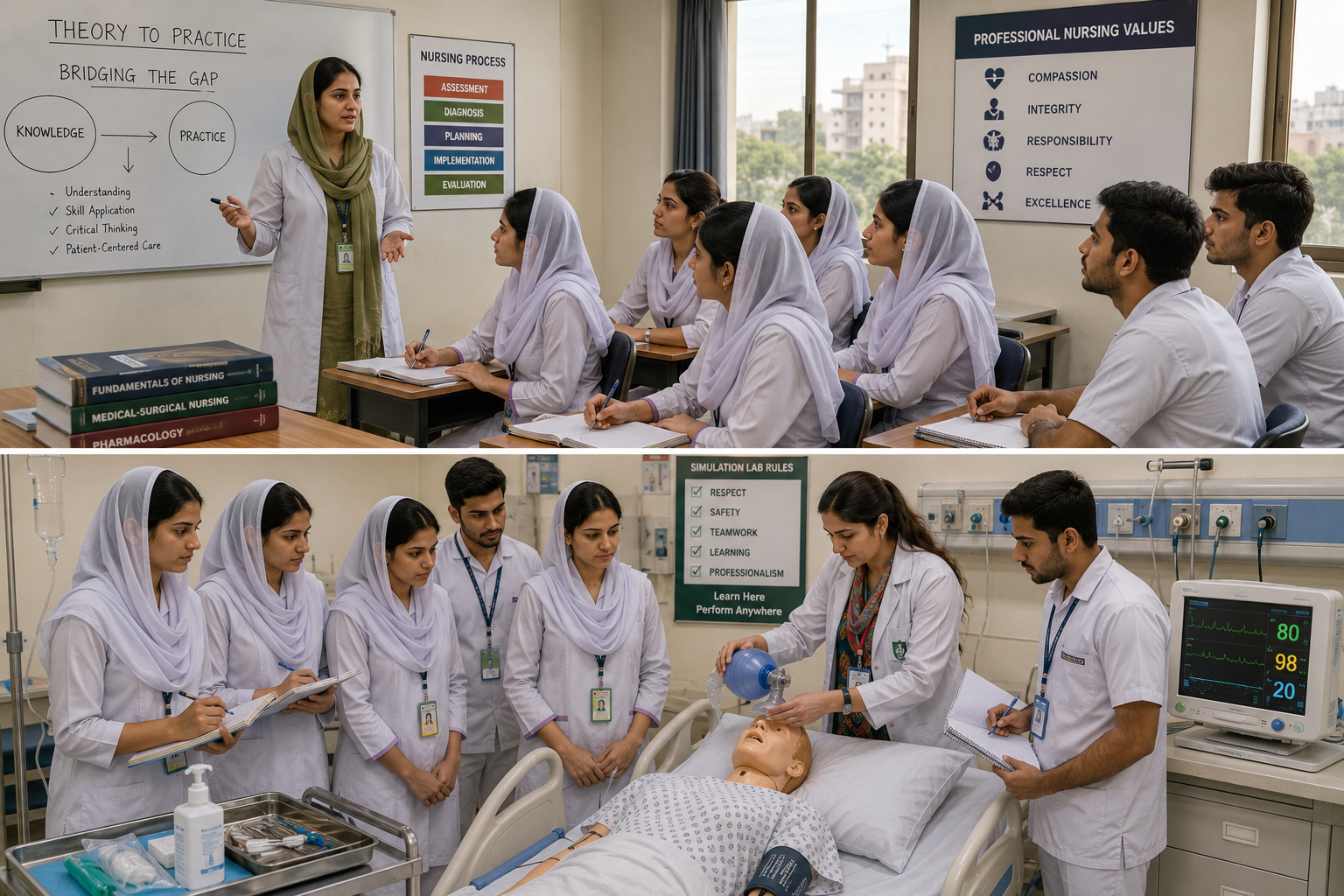
Restricted access to quality education undermines the development of critical thinking, research competence, and evidence-based practice, ultimately affecting healthcare delivery (Horntvedt et al., 2018). Nursing students in under-resourced institutions may lack access to simulation laboratories, academic databases, and research opportunities, limiting their professional development and reducing the quality of patient care they can provide in the future.
Furthermore, gender disparities remain deeply entrenched, particularly in rural areas where cultural expectations limit girls’ educational participation. These intersecting inequalities demonstrate that technological progress alone cannot achieve educational equity without addressing broader socio-political structures. Sustainable reform therefore requires governments, policymakers, and educational institutions to invest not only in technology but also in social support systems, teacher development, equitable funding, and community engagement. Without addressing these interconnected barriers, digital transformation may simply modernise inequality rather than eliminate it.
Conclusion
To turn quality education from a policy aim into an actual reality, we need to move our attention from empty words to significant structural change. Digital infrastructure serves as an essential resource, but it needs to be supported by inclusive policies that address social disparities and elevate the voices of the marginalised. We stand at a juncture where SDG 4 may turn into a mere wish unless we rigorously confront the structural obstacles present in our existing institutions. Governments must ensure equitable access to educational resources, invest in teacher training, strengthen rural educational systems, and support economically disadvantaged students through sustainable policies.
The necessity of this reform reaches well beyond the classroom, significantly affecting global social justice, economic stability, and public health outcomes. As participants in our shared future, we need to progress from mere recognition to proactive support, since the path to a genuinely fair education system starts with your voice and our united dedication to transformation. Only through collective accountability, equitable investment, and sustained political commitment can education systems genuinely empower disadvantaged communities and transform digital progress into inclusive opportunities for future generations.
Author bio
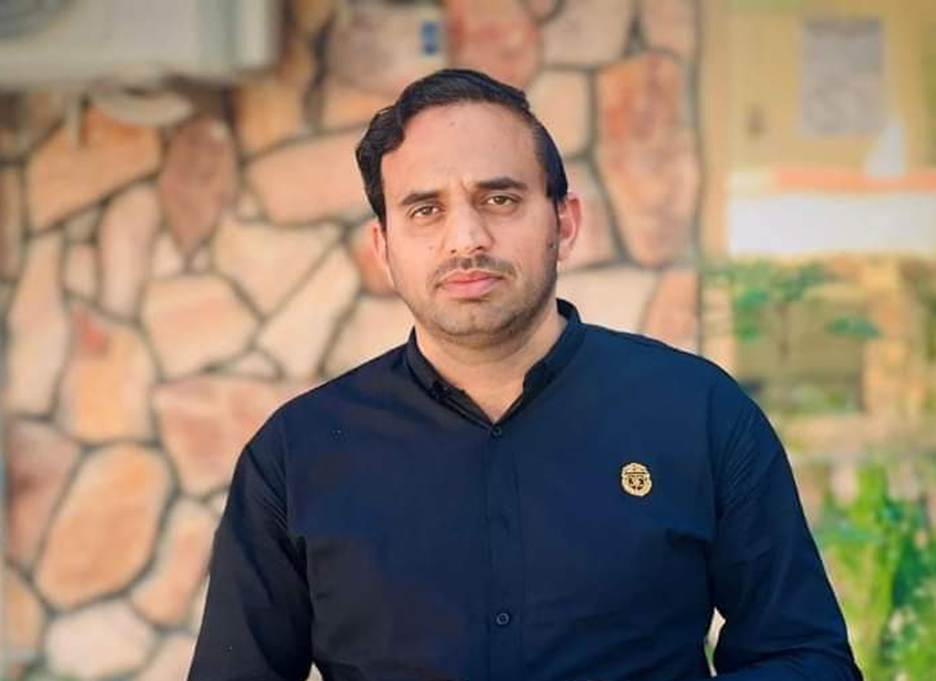
Athar Ali is currently pursuing an MScN at Aga Khan University. He serves as a Head Nurse at Ayub Teaching Hospital, Abbottabad. He completed his Bachelor’s Degree from Ziauddin University Karachi in 2012. with a strong interest in quality education, healthcare improvement, and social equity. His academic work focuses on critical issues related to educational inequality, digital transformation, and evidence-based nursing practice. Through his writing, he aims to promote awareness, critical thinking, and meaningful discussion on challenges affecting education and healthcare systems in developing countries.
References
Boeren, E. (2019). Understanding Sustainable Development Goal (SDG) 4 on” quality education” from micro, meso and macro perspectives. International Review of Education/Internationale Zeitschrift für Erziehungswissenschaft/Revue Internationale de l’Education, 277-294.
Horntvedt, M. T., Nordsteien, A., Fermann, T., & Severinsson, E. (2018). Strategies for teaching evidence-based practice in nursing education: a thematic literature review. BMC Med Educ, 18(1), 172. https://doi.org/10.1186/s12909-018-1278-z
Jamil, S. (2021). From digital divide to digital inclusion: Challenges for wide-ranging digitalization in Pakistan. Telecommunications Policy, 45(8), 102206.
Katerina Markelova, U. (2020). Education: An unprecedented crisis. https://courier.unesco.org/en/articles/education-unprecedented-crisis
Saini, M., Sengupta, E., Singh, M., Singh, H., & Singh, J. (2023). Sustainable Development Goal for Quality Education (SDG 4): A study on SDG 4 to extract the pattern of association among the indicators of SDG 4 employing a genetic algorithm. Educ Inf Technol (Dordr), 28(2), 2031-2069. https://doi.org/10.1007/s10639-022-11265-4
Wangdi, N., Dema, Y., & Chogyel, N. (2021). Online learning amid COVID-19 pandemic: Perspectives of Bhutanese students. International Journal of Didactical Studies, 2(1), 101456.