
 Scholar Nurse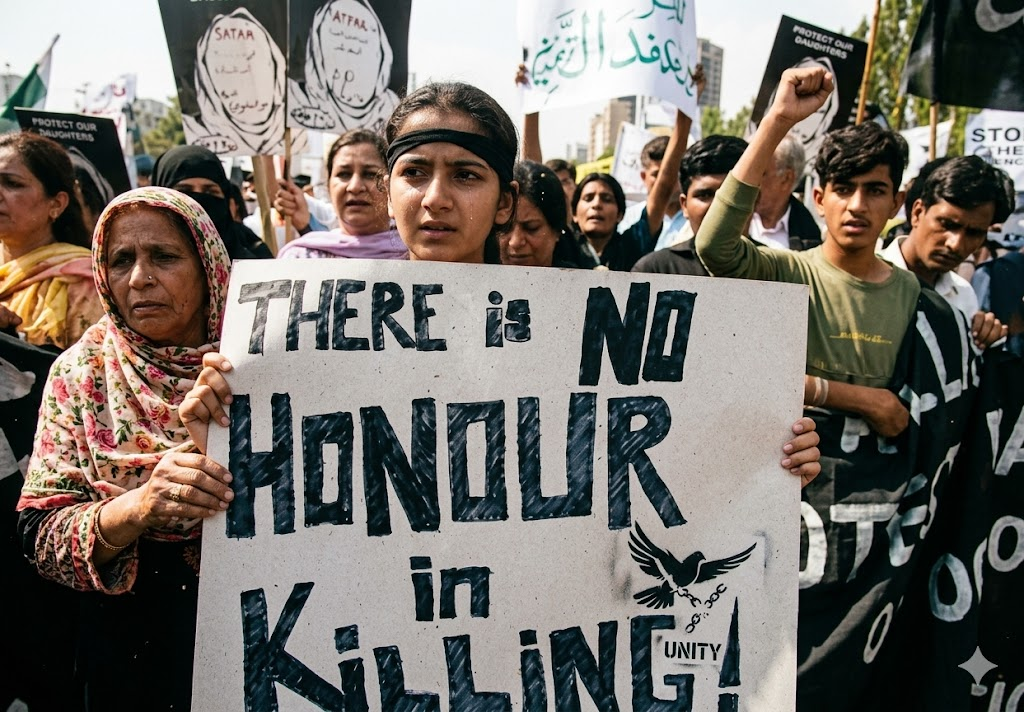
Honor Killings Urgent Path to Justice and Equality
The world has advanced in many areas of development; however, even in this modern era, societies have continuously failed to shape the mindset of men in ways that prevent gender-based violence against women. Honor killings remain one of the most widely discussed issues on both national and global platforms, yet scarcely a day passes without a new case being reported in newspapers or media outlets. This reflects the seriousness and persistence of the issue. Since honor killing has remained a topic of concern for centuries, the problem is not a lack of discussion or awareness.
Rather, the real issue lies in the absence of effective policies and the failure to implement strict actions to prevent such brutality. Addressing this issue is essential for achieving the United Nations Sustainable Development Goals, especially SDG 5 (Gender Equality), SDG 10 (Reduced Inequalities), and SDG 16 (Peace, Justice, and Strong Institutions).
In some societies, honor killing is perceived as a cultural practice associated with pride, loyalty to traditions, or misinterpretations of religion. Individuals who support such practices often possess extremist and misogynistic attitudes and manipulate cultural or religious narratives to justify their actions. In many rural areas, influential individuals exercise authority over the lives of ordinary people and issue decisions that include the killing of women for choosing their own life partners.
According to recent studies, patriarchal beliefs and social pressure continue to sustain these crimes in several regions of the world (Aksoy & Szekely, 2025). This severe violation of basic human rights continues routinely, largely due to the absence of an effective legal system or the inability of existing institutions to enforce laws and prevent such crimes.
Beyond the influence of community leaders, victims’ own families are frequently involved in honor killings. In many cases, women are murdered by close family members, including fathers, brothers, or husbands. Heydari et al. (2021) explain that honor killings are deeply connected to social structures that prioritize family reputation over women’s rights. This reveals the deeply disturbing reality that women are often unsafe even within their own homes, among individuals who are expected to protect them.
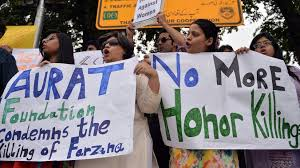
Unfortunately, societies not only lack effective legal mechanisms to prevent honor killings, but they also frequently fail to provide justice to victims. Furthermore, many cases of honor killing are never officially reported through First Information Reports (FIRs) or covered by the media, allowing countless incidents to remain hidden (Amir et al., 2025).
This issue requires a different and more proactive approach that focuses on preventing gender-based violence before it occurs. Educational and awareness programs should be conducted for all members of society, particularly in rural communities. Women should be educated about their rights, encouraged to advocate for themselves, and trained in self-protection strategies when they feel vulnerable or threatened.
Governments also have a responsibility to introduce and strictly enforce laws against all forms of gender-based violence. In addition, authorities should closely monitor communities where influential individuals operate parallel cultural justice systems, such as jirgas. Governments must also work toward the complete elimination of harmful cultural practices, including Karo-Kari, that promote or justify gender-based violence against women.
Author Bio
Shahida Gul is an MSc Nursing student and aspiring healthcare professional with a strong interest in research, education, and patient care. She is dedicated, hardworking, and motivated to grow academically and professionally while contributing meaningfully to the healthcare field.
References
Aksoy, O., & Szekely, A. (2025). Making sense of honor killings. American Sociological Review, 90(3). https://doi.org/10.1177/00031224251324504
Amir, M., Khan, R., & Tahir, M. (2025). Human rights and honor killings in Pakistan: A critical and analytical assessment of legal frameworks and international law. Social Science Review Archives, 3(3), 119–128. https://doi.org/10.70670/sra.v3i3.835
Heydari, A., Teymoori, A., & Trappes, R. (2021). Honor killing as a dark side of modernity: Prevalence, common discourses, and a critical view. International Sociology, 36(3), 347–367. https://doi.org/10.1177/0539018421994777

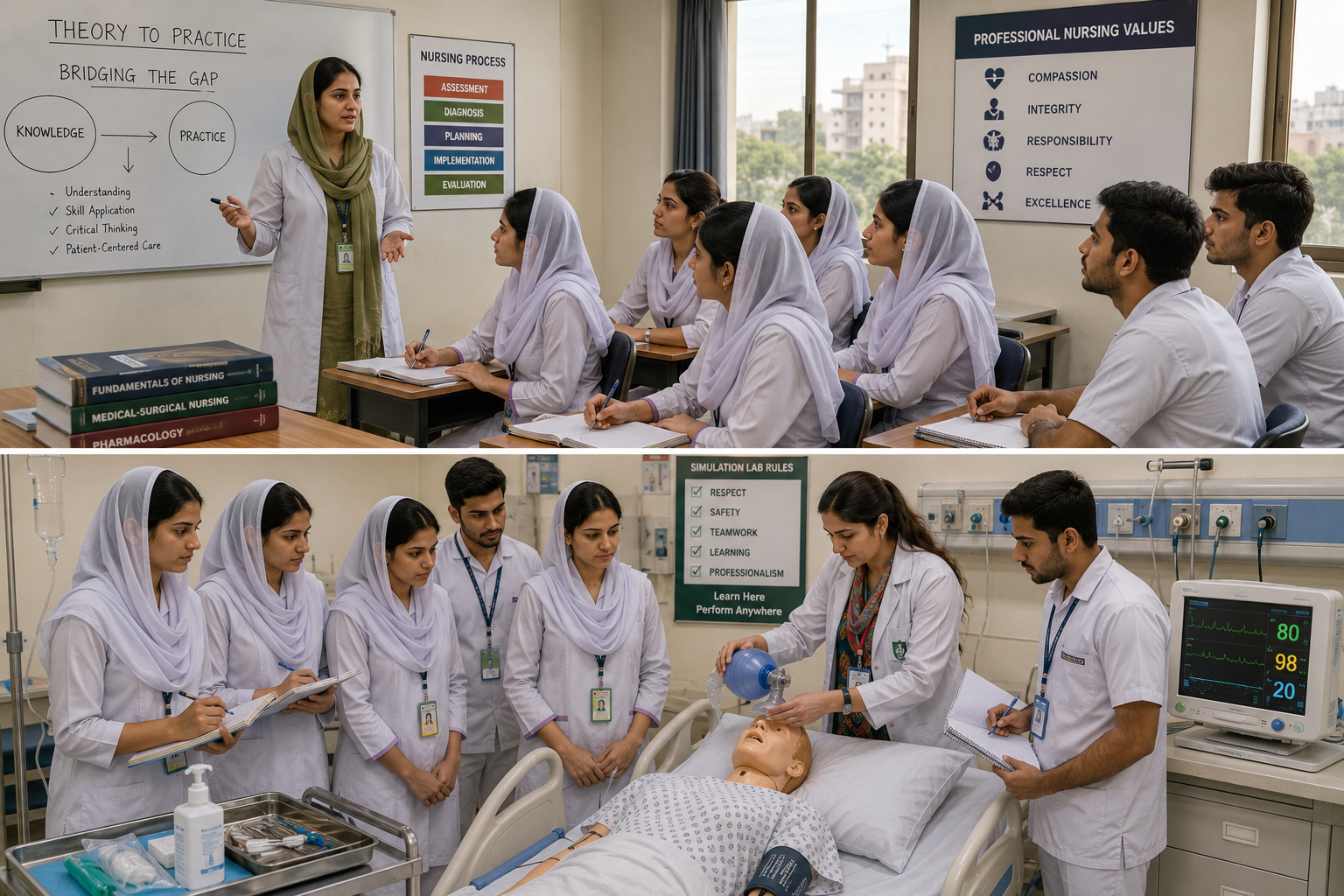



A well researched article. It be great if you make this a series of articles following this one, which help us uderstand psychology and practices in different regions like Gilgit Baltistan