 Scholar Nurse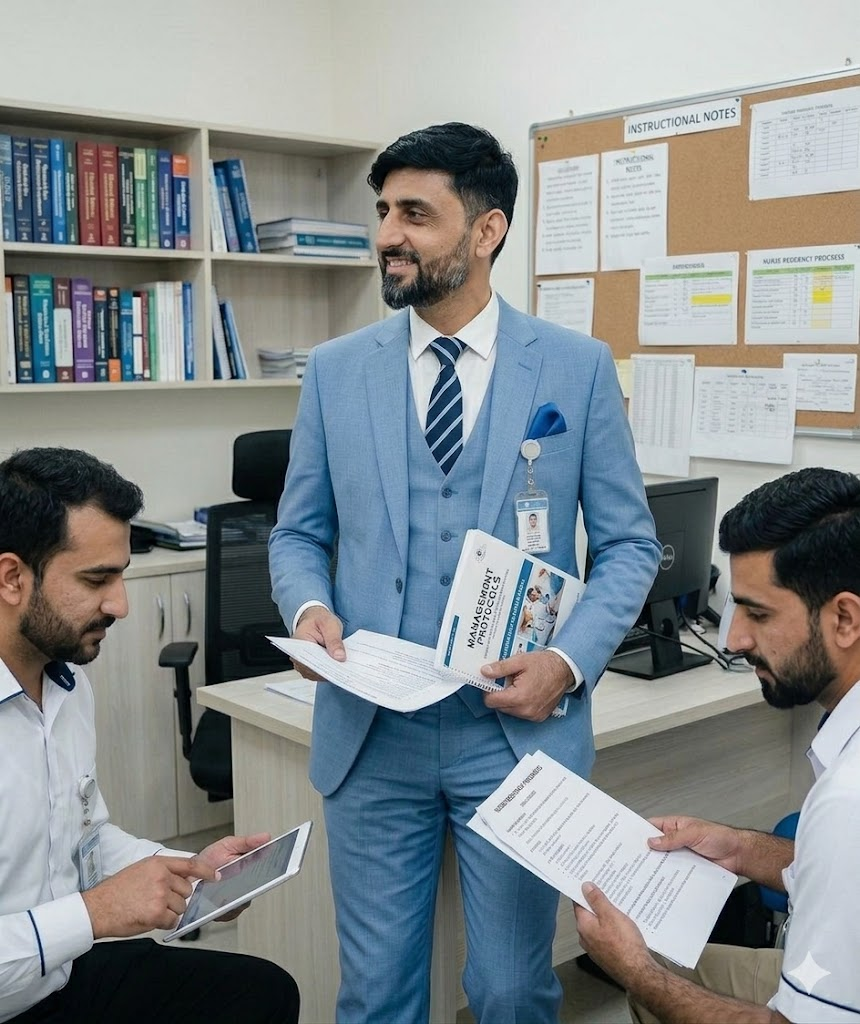
Empowering Novice Nurses: Essential Critical Care Insights

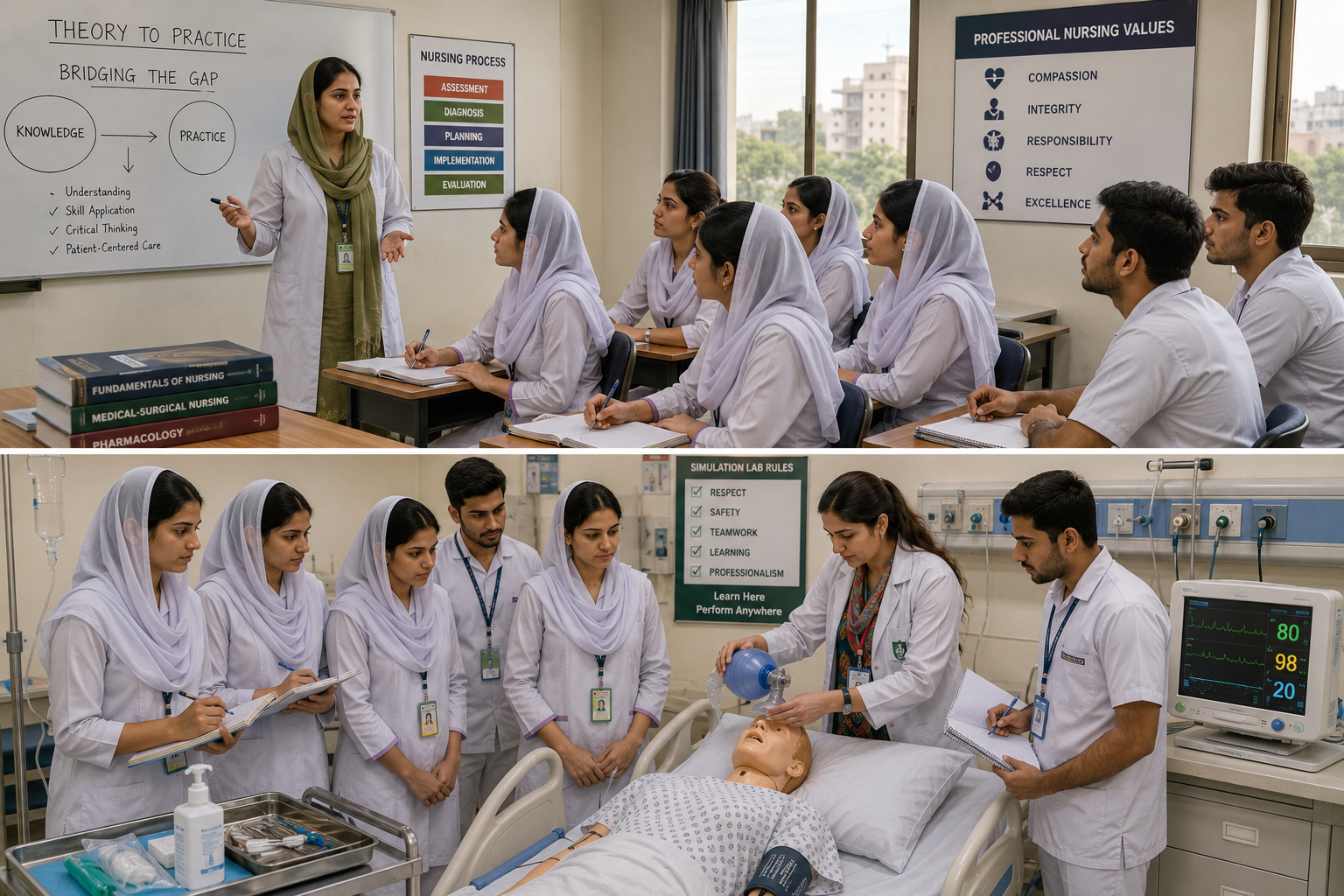
The reasons why novices prefer critical care units rather than general wards in tertiary care hospitals and implications for workforce sustainability. Nursing professionals are still battling with critical shortages in healthcare systems around the globe, especially in tertiary care hospitals. A current trend is that inexperienced nurses are choosing to work on critical care wards, including intensive care units (ICUs), emergency, and high-dependency units over medical or surgical wards. The nursing profession in critical care is seen as a prestigious profession due to the use of advanced technologies, quick clinical decision-making, and specialized care for patients (Ndirangu-Mugo & Barros, 2022).
Many nurses who have recently completed their training see these environments as ideal for them to learn and grow quickly, to feel recognized, and to have a successful career. This trend is due to a number of reasons. Students in nursing are driven to pursue advanced clinical skills and technical knowledge, for one, since they are more interested in gaining these skills. Refined monitoring systems, ventilators, and emergency interventions increase the professional confidence and clinical decision-making skills (Du Preez, 2025).
In addition, critical care settings often offer structured orientation programs, mentorship, and support systems for the new nurses to help them get better prepared to enter into the professional practice (Mohamed & Al-Hmaimat, 2024). Workplace culture is another key determinant in career choice. Younger nurses are more likely to be attracted to a dynamic and technologically sophisticated work setting that encourages teamwork, ongoing learning, and professional development.
It has been found that positive working relationships and educational programs have a positive impact on nurse satisfaction and retention in critical care units (Reilly, 2025). Conversely, general wards are usually known to have a shortage of staff, high patient-to-nurse ratios, emotional fatigue, and less recognition, which are less desirable to newly graduated nurses (Fabiani, 2025).
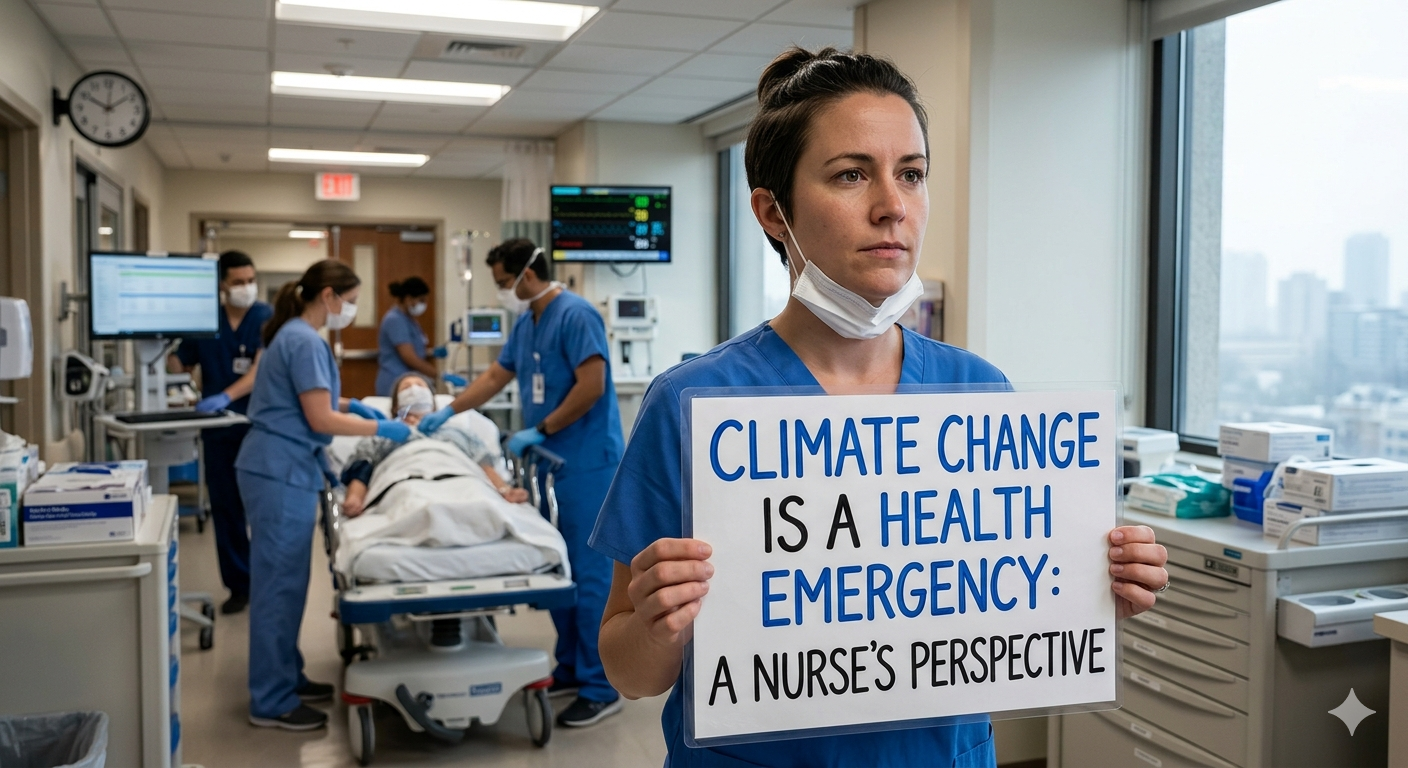
Although critical care nursing is a beneficial field, there is a disparity between the allocations of critical care nurses to different hospital departments with serious implications for healthcare systems. There are often understaffing issues in general wards that can lead to increased workload, reduced patient safety, and nurse burnout (Lesnik & Hauser-Oppelmayer, 2025).
Nurses’ burnout has been found to be significantly related to lower levels of job satisfaction, turnover intention, absenteeism, and poorer levels of care quality for patients ( Zhang et al., 2025).
The problem extends to the multicultural and global workforce issue as well. Critical care may be a more desirable specialty in many developing countries where nurses are offered better opportunities to work overseas, better pay, and higher status. On the other hand, high-income countries are finding it difficult to provide for adequate staffing in general wards because of the growing demands of health care services and the aging population (Balogun & Ehizojie, 2024).
Highly, healthcare organizations must recognize that both critical care units and general wards are essential for high-quality patient outcomes. Nurse leaders and policymakers should therefore implement evidence-based workforce strategies that improve working conditions across all hospital departments. These strategies may include mentorship programs, equitable staffing policies, mental health support services, flexible scheduling, and professional recognition initiatives to improve nurse retention and reduce burnout (World Health Organization [WHO], 2023; Mohamed & Al-Hmaimat, 2024). are among the strategies. Residency programs and transition-to-practice models have also shown to have positive influences on novice nurses’ confidence, resilience, and retention (Mohamed & Al-Hmaimat, 2024).
Workforce imbalance is a critical issue that must be addressed for sustainable healthcare systems and better patient-centered care from a nursing perspective. SDG 3: Good Health and Well-Being stresses the need for enhancing healthcare systems by establishing stable and motivated healthcare workers.
If hospitals invest in the same way in both critical care and general wards, they will be more successful at keeping nurses—and reducing burnout—if they improve patient outcomes. It is important to consider that the preference of novice nurses for critical care units should not be strictly interpreted as a staffing issue but as an opportunity to explore the professional aspirations and expectations of the current nursing workforce. Healthcare nurse leaders can achieve equitable distribution of the workforce and foster professional development and quality patient care by establishing supportive and rewarding practice environments across all aspects of health systems.
References
- Ajisekola, T. Z. (2025). Exploring the mental effect of nurse burnout on patient safety. Theseus Repository. https://www.theseus.fi/handle/10024/900289
- Balogun, M., & Ehizojie, D. (2024). Strategies to alleviate the nursing shortage: Literature review. Theseus Repository. https://www.theseus.fi/handle/10024/870082
- Du Preez, I. P. (2025). Empowerment in critical care units: Exploring the experiences of new nurse graduates. Stellenbosch University. https://scholar.sun.ac.za
- Fabiani, V. (2025). Job satisfaction and retention survey for nurses in an acute care hospital in Ontario. University of Windsor. https://uwindsor.scholaris.ca
- Johnson-King, S. R. (2025). Nurse managers’ effective strategies for retaining nurses. Walden University ScholarWorks. https://scholarworks.waldenu.edu
- Lesnik, T., & Hauser-Oppelmayer, A. (2025). Turnover intention among intensive care nurses and the influence of the COVID-19 pandemic: A scoping review. Human Resources for Health, 23(1). https://doi.org/10.1186/s12960-025-00992-7
- Loveitt, M. R. (2023). The lived experiences of newly graduated Generation Z registered nurses entering the intensive care unit. Liberty University. https://digitalcommons.liberty.edu
- Mohamed, Z., & Al-Hmaimat, N. (2024). The effectiveness of nurse residency programs on new graduate nurses’ retention: Systematic review. Heliyon, 10(8). https://doi.org/10.1016/j.heliyon.2024.e2303
- Ndirangu-Mugo, E., & Barros, L. M. (2022). Current state of critical care nursing worldwide: Current training, roles, barriers, and facilitators. Critical Care Nursing Clinics of North America, 34(3), 295–310.
- Oppong Sarfo, V. (2025). Strategies to improve the well-being of nurses at the workplace. Theseus Repository. https://www.theseus.fi
- Reilly, L. (2025). Comparison of two clinical education models on confidence, resilience, organizational commitment, and stress and burnout of new graduate registered nurses. Walden University ScholarWorks. https://scholarworks.waldenu.edu
- Ubiam, D. (2025). Mitigating nurse burnout in Alabama’s largest hospital to improve staff retention and well-being. ProQuest Dissertations Publishing.
- World Health Organization. (2023). Global strategic directions for nursing and midwifery 2021–2025. https://www.who.int/publications
- Yulia, G., Lani, O., Talia, D., & Yosefa, D. (2025). The mediating effect of burnout and job satisfaction on the relationship between professional identity, occupational stress, and turnover intentions in the post-pandemic era. Worldviews on Evidence-Based Nursing. https://doi.org/10.1111/wvn.70014
- Zhang, C. Q., Li, X., He, L., Xu, B. B., Wu, Y., & He, J. (2025). Critical care, critical gaps: Assessment of burnout and behavioral profiles of ICU healthcare workers in China. Frontiers in Public Health, 13. https://doi.org/10.3389/fpubh.2025.1617081
Zhuang, Z., Nong, H., Zhang, M., Guo, X., & Ji, L. (2025). Master’s degree nurses: A mixed-methods study on supply, demand, and utilization. Journal of Advanced Nursing. https://doi.org/10.1111/jan.70254