 Scholar Nurse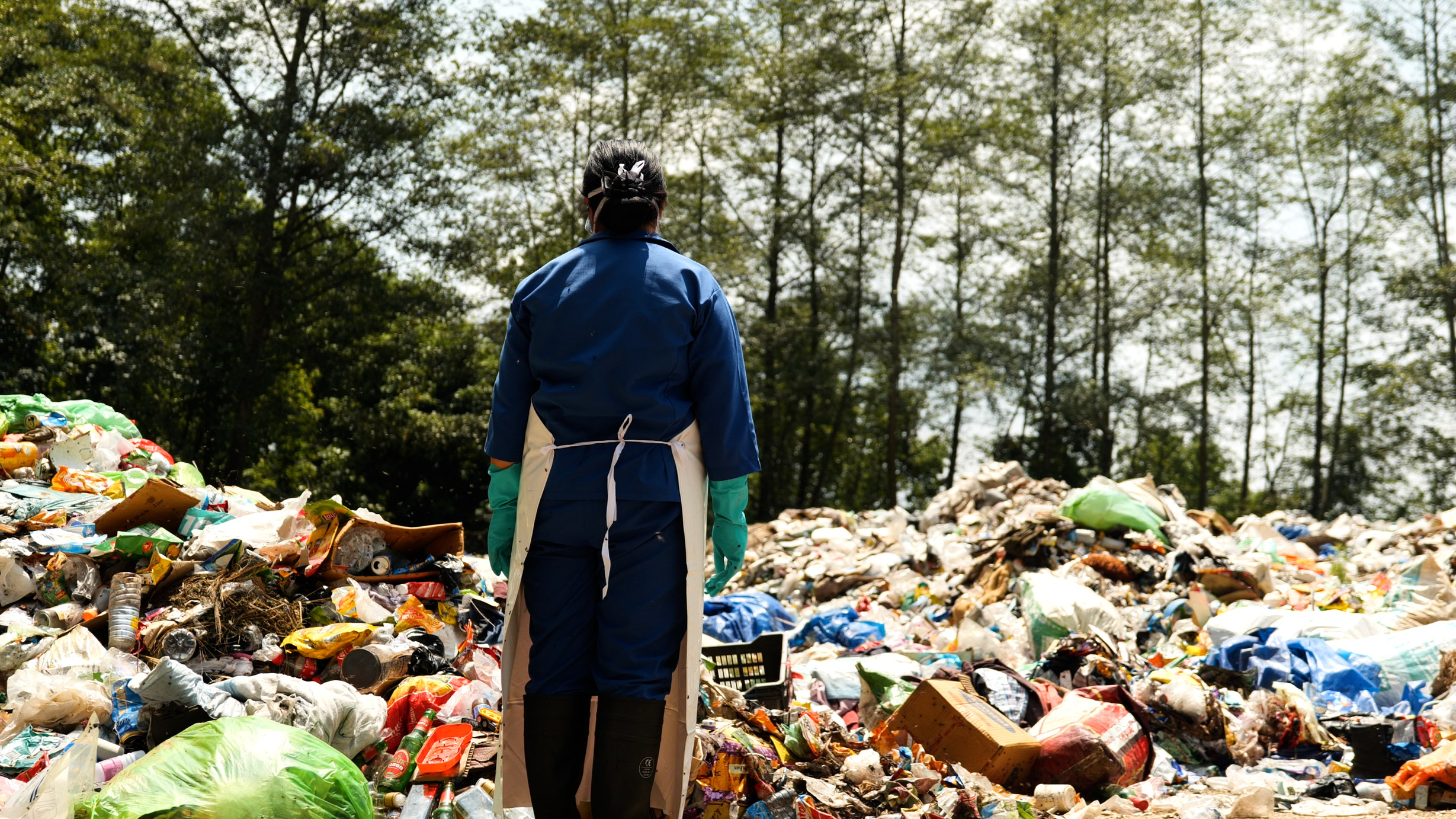
Poor Waste Management in Pakistan: A Growing Environmental Crisis
Proper waste management is a basic requirement for any civilization to maintain environmental stability. Unfortunately, poor waste management, especially in the urban areas of the country, has become a serious issue that threatens both environmental and public health. Rapid urbanization without proper waste management measures has contributed to an increasing waste crisis across the country. It is common in major cities as well as rural areas to find streets filled with garbage, damaged and overflowing drains, and even areas lacking proper drainage systems.
Furthermore, the burning of waste in local communities reflects limited public awareness regarding environmental protection and proper waste disposal practices. Poor waste management is not only a threat to citizens but also poses a significant danger to other species, including wildlife and aquatic life. Despite being a major contributor to climate-related issues, waste management remains under-discussed in national-level policy implementation and social discourse.
Countries and cities with effective waste management systems are often among those with healthier citizens, greener environments, and, in some cases, more sustainable energy consumption practices. On the other hand, cities with poor waste management suffer from various forms of pollution caused by improper waste disposal. As a result, these cities often face overburdened healthcare systems due to the large number of people affected by diseases linked to polluted environments.
Pakistan generates millions of tons of solid waste annually, and this increases every year due to urbanization and irresponsible consumption of goods in major cities of the country. These cities produce thousands of tons of waste on a daily basis, much of which is either seen as openly dumped or burned because of inadequate disposal systems (International Trade Administration, 2026). In many areas, waste collection services are either inefficient or completely unavailable, leaving communities exposed to unhygienic conditions and environmental pollution.
These conditions lead to the spread of diseases in the community; often contagious diseases become a serious burden on public health. This problem does not end here, as addressing these conditions requires resources, and lower-income countries like Pakistan have minimal resources, which make such situations even worse.
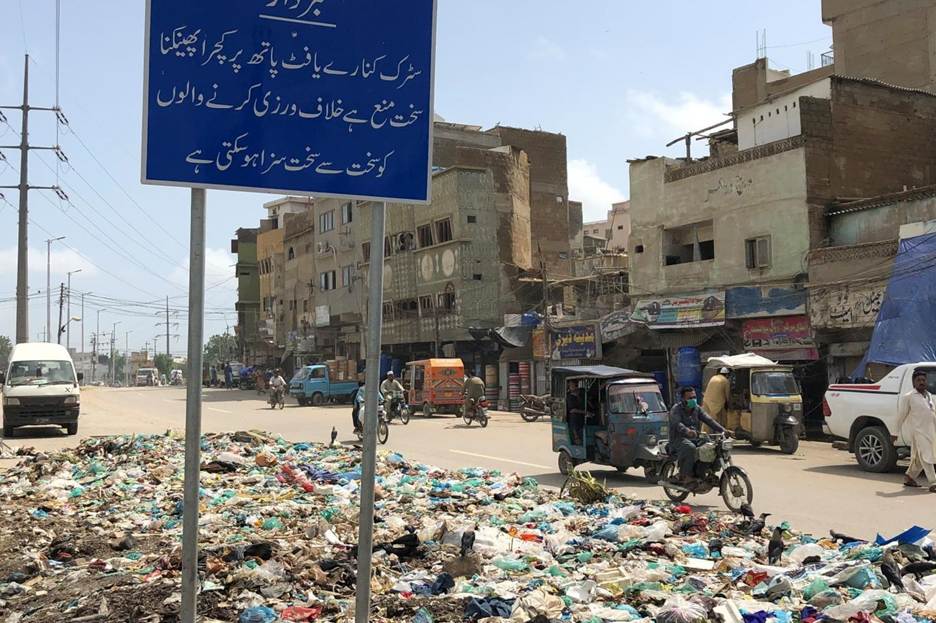
Every year with the non-negligible increase of population, waste management systems are getting worse and worse, making it difficult for all kinds of living beings to live a healthy life. The control on increasing pollution is impossible without addressing the issue of poor waste management. Poor waste management and its contribution to environmental pollution greatly affect public health.
Open dumping sites also produce methane gas, a major greenhouse gas that accelerates global warming (United Nations Environment Programme, 2024). In residential and commercial areas open garbage is normal, which attracts rodents and other disease-carrying organisms such as those that cause cholera, dengue, malaria, respiratory diseases, and skin infections.
Hantavirus is a new global health challenge, though it has not reached Pakistan yet, but due to this poor waste management, Pakistan always remains in a vulnerable state of facing such threats. The drainage system is so poor that every year the monsoon season comes with challenges like urban flooding and poor sanitation conditions in multiple urban and rural areas of the country. (Pakistan Bureau of Statistics, 2026).
Livability of a country depends upon multiple factors, which include cleanliness, good weather, and greenery. All three of these conditions are severely affected in Pakistan, and the hidden culprit is poor waste management. Since it increases all kinds of pollution, which damages the greenery of the country, especially in urban areas where air pollution is already at its peak, less greenery makes these cities a hub of diseases, making it difficult for citizens to survive in these conditions.
This also affects the global image of cities and the whole country as a livable place. Unfortunately, to stop this continuous destruction, no strong government-level actions and policies have been seen in a long time. The solution needs immediate actions and proper funding from the government.
Responsible citizens understand their responsibilities toward keeping their cities clean. Citizens must learn proper waste disposal practices by separating recyclable and non-recyclable waste at home. Dumping waste in random places such as streets, parks, and seasides is a common practice in many cities. These harmful habits must be eliminated to achieve cities with effective waste management systems.
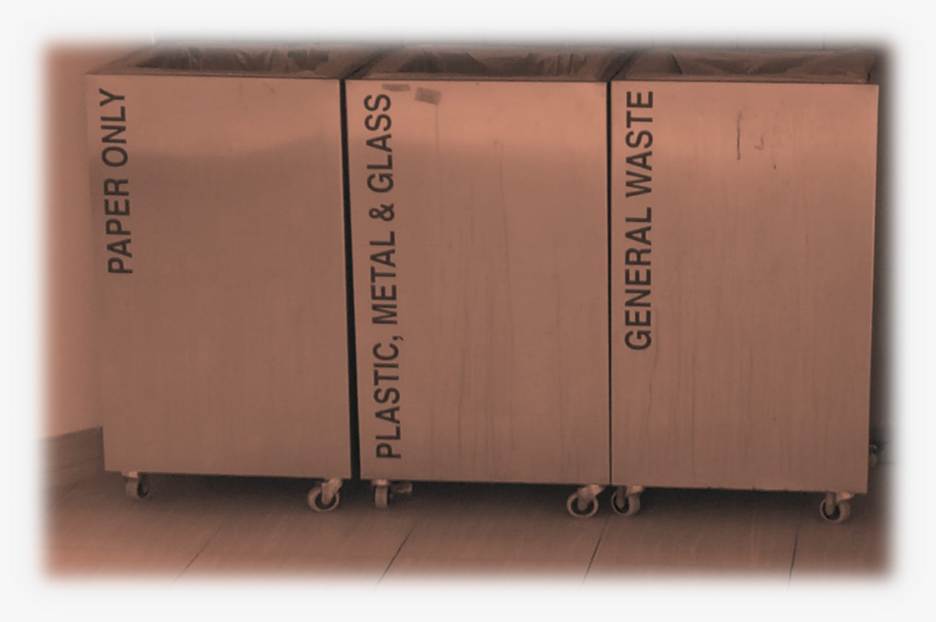
Along with the individual responsibilities of citizens, authorities also play a crucial role in implementing proper waste disposal on a larger scale, such as managing the waste of entire towns and cities. Authorities must also monitor industrial waste, as improper disposal of waste from industries and commercial sectors greatly contributes to environmental pollution and reduces the livability of communities. Pakistan has multiple governmental and non-governmental organizations working on waste disposal and waste management. However, these organizations often fail to achieve their targets for several reasons, including inadequate funding, ineffective techniques, and unrealistic policies that are difficult to implement in the cities of Pakistan.
The waste management crisis in Pakistan requires attention not only from the government and industries but also from citizens. Investment from authorities is necessary to improve waste collection systems, recycling facilities, and urban sanitation infrastructure. Open garbage dumping and the burning of waste must be stopped through prompt governmental action. Educational campaigns are also needed to raise awareness among citizens regarding responsible consumption, household waste recycling, and their responsibility to maintain cleanliness within their communities.
Poor waste management is not only a threat to environmental sustainability but also a serious risk to public health. If immediate action is not taken, the situation will continue to worsen, making Pakistan a less livable country. Creating cleaner cities and healthier communities requires both effective policies and active public participation.
Author Bio
Zainab Khatoon is pursuing a Master of Science at the School of Nursing and Midwifery, Aga Khan University, and she has a keen interest in nursing education, clinical practice, and healthcare research. She has professional experience in both academic and hospital settings; she is passionate about evidence-based practice and professional development; she writes to share meaningful insights, simplify healthcare concepts, and contribute to learning within the nursing community.

References
International Trade Administration. (2026). Pakistan waste management overview. International Trade Administration
Pakistan Bureau of Statistics. (2026). Waste management statistics in Pakistan. Daily Times report on PBS findings
United Nations Environment Programme. (2024). Global waste management and environmental sustainability. UNEP