 Scholar Nurse
Transform Geriatric Care with Better Digital Literacy
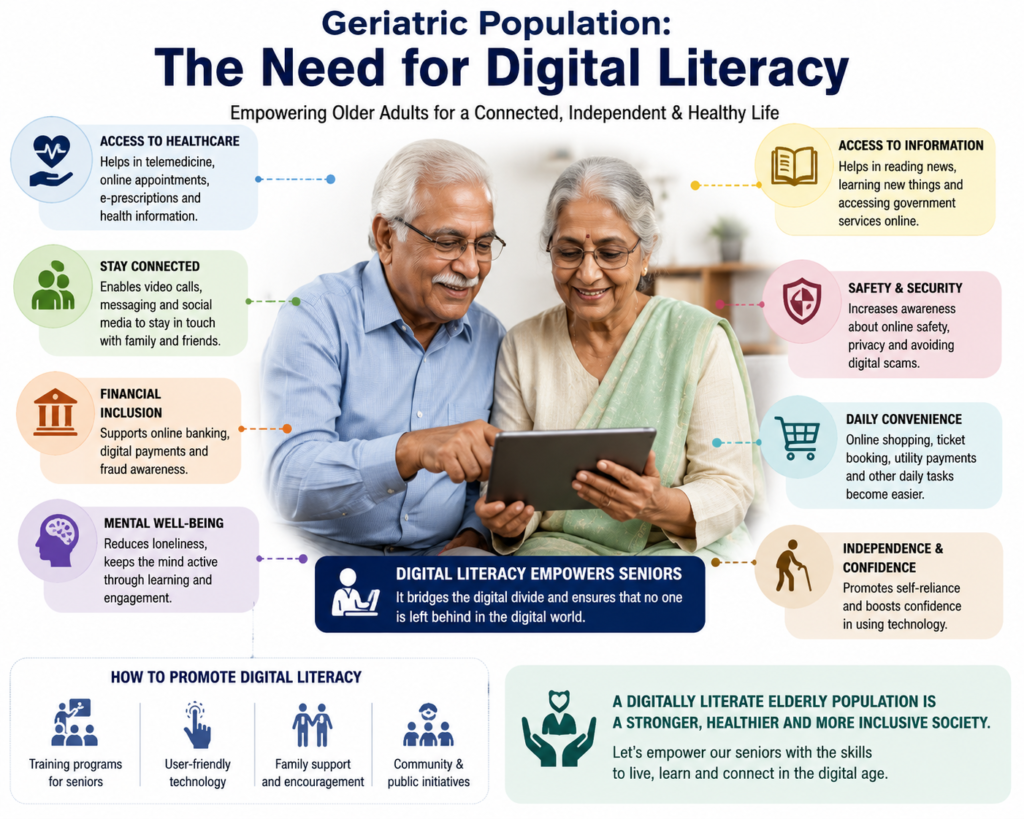
In the current era of aging, including other countries, Pakistan is dealing with a greater number in their elderly citizens. In the coming years it is assumed that Pakistan will have over 40 million geriatric people; a significant shift in the demographics calls for an urgent need for advancements in healthcare delivery shifts and facilitating socially interconnected systems in this digital era. Despite these growing needs, most of the older adults remain outside the benefits of digital health care delivery services, warning calls, and peer interactions, primarily due to a lack of familiarity with digital systems. Bridging this digital divide is mandatory to provide equitable, accessible, and quality care for geriatric populations.
One of the primary challenges facing elderly populations today is limited access to digital health facilities. In many rural and urban communities, seniors are unfamiliar with smartphones, health apps, and telemedicine platforms that could dramatically improve their access to healthcare. Nurses and healthcare providers play a crucial role in addressing this gap. By promoting knowledge enhancement in digital literacy facilitation, nurses can become effective digital facilitators and co-supporters for older adults, enabling them to become familiar with required technologies.
Initiating training for nurses in digital educational programs, such as simple demonstrations or simulation exercises with technical tools, can help seniors to confidently use digital services. This not only improves health outcomes and social interactions but also fosters independence among older adults, enabling them to manage chronic conditions more effectively and access remote consultations directly from their devices and even maintain follow-ups digitally.
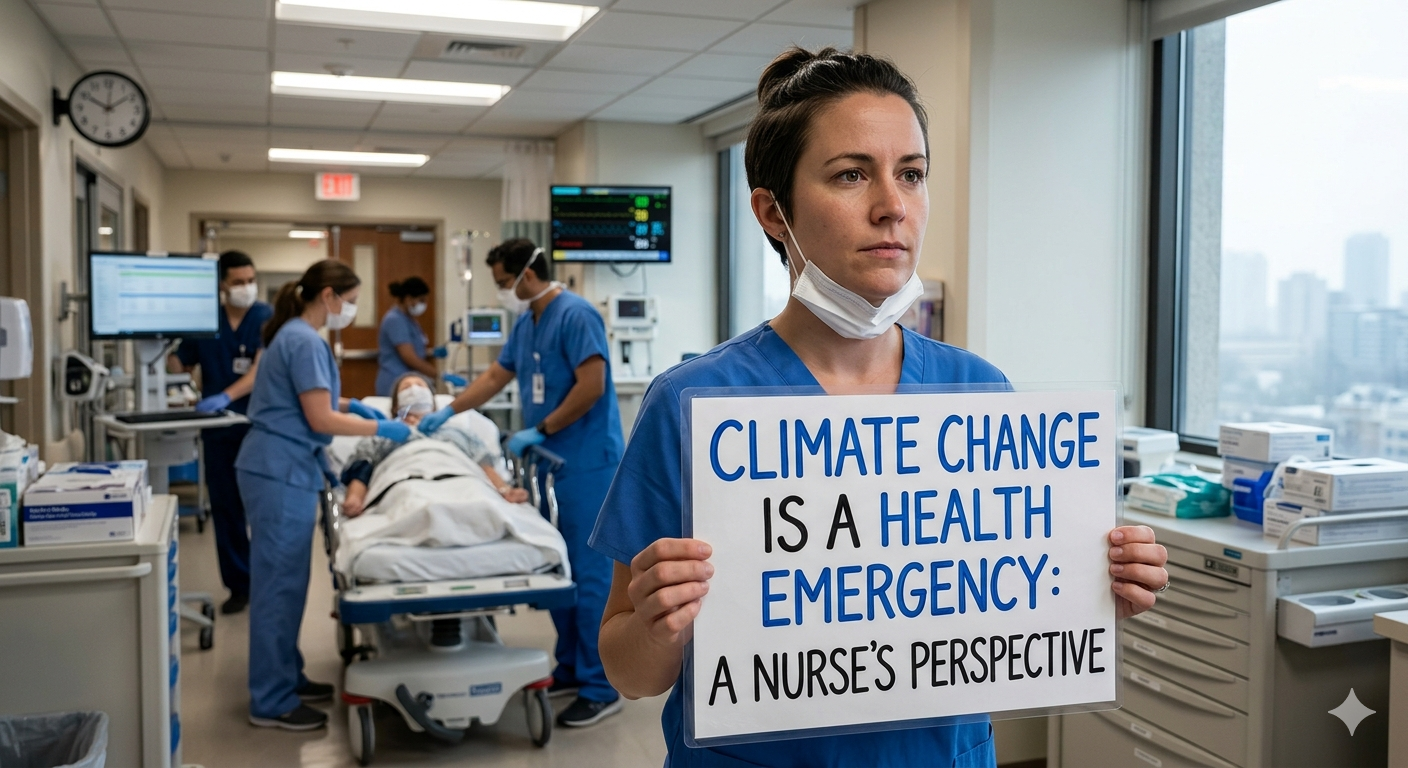
Moreover, drastic changes in climate and its terrible effects on communities are also a big challenge. It poses an emerging threat to vulnerable populations, particularly the elderly. Heatwaves, floods, landslides, heavy rains, and other extreme weather consequences impact urban and rural areas of Pakistan. However, most of the adult population remains unaware of early warning systems designed to protect people in most high-alert areas. Nurses are aware of emerging climate crises and their risks to health and can navigate the knowledge-action gap.
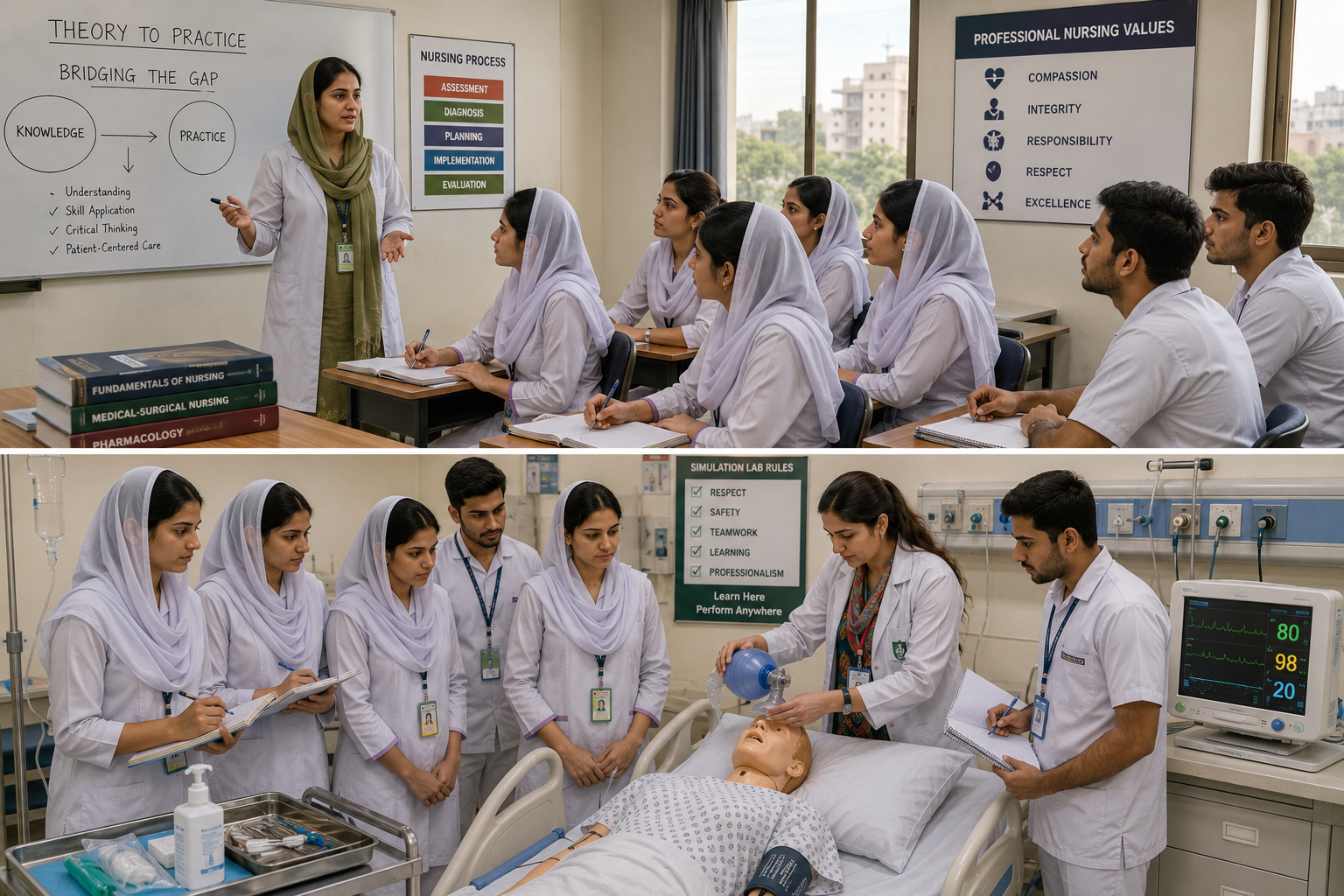
Initiating digital literacy to be aware of warning calls and educate older adults about how to prepare for and respond to such events. They can also assist in spreading awareness about community resources, evacuation plans, and protective measures, thereby reducing the risk of climate-related health casualties. Integrating short awareness training programs for BSN students about environmental health and digital health can ensure nurses can serve communities better by addressing their specific holistic needs and coping with health hazards.
Another significant issue is social isolation observed among elderly people. Many seniors feel lonely, deprived, and withdrawn after mobility decreases. Even when not able to achieve their basic financial support independently, that leads to anxiety, depression, and hopelessness, which directly affect health outcomes. Technical literacy and its usage open doors for older adults to manage their online accounts and reestablish connections with family, friends, and community groups, fostering social engagement and mental well-being. Nurses can help seniors develop the necessary skills to access these virtual communities, participate in online creative courses, and maintain social ties remotely. Improving digital literacy not only enhances social interaction but also acts as a protective factor against mental health issues among the elderly.
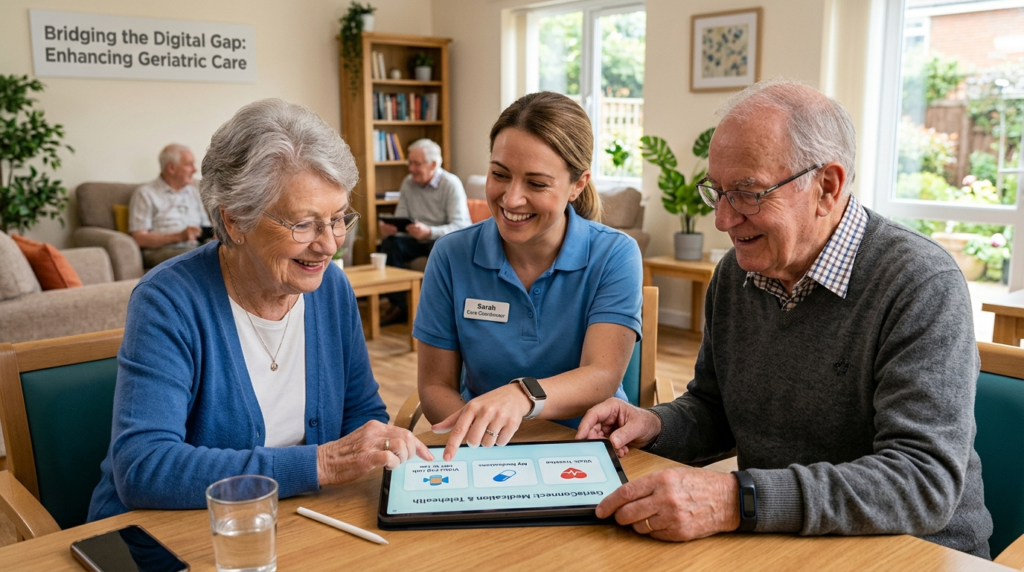
Older people in Pakistan and many similar communities often rely on family members for choices about their health and everyday lives. Overreliance on family support can limit independence and restrict access to independent healthcare, even if it is still culturally valued. Older people may gain independence and empowerment through digital literacy courses tailored to their unique needs. Using basic terminology, visual presentations, and practical exercises, nurses may plan community-based seminars to help seniors learn about technology. Instructional approaches should be tailored to the cognitive and physical requirements of aging individuals, such as slower pacing, repetition, and culturally appropriate teaching techniques. These encouraging educational environments foster confidence and lessen anxiety regarding technology use.
Reducing this digital divide among older adults depends heavily on healthcare practitioners, especially nurses. In hospitals, clinics, and community environments, nurses are frequently the first point of contact for older patients. In addition to giving clinical treatment, nurses act as educators, advocates, and counselors for patients and their families. Nurses can help older people feel more at ease and confident in using technology by acquiring proficiency in digital health education. For instance, nurses can teach elderly patients how to utilize telemedicine platforms for follow-up appointments, use mobile apps for medication reminders, or use basic health monitoring equipment at home. Although they may seem little, these interventions can greatly enhance self-management, medication adherence, and general quality of life.
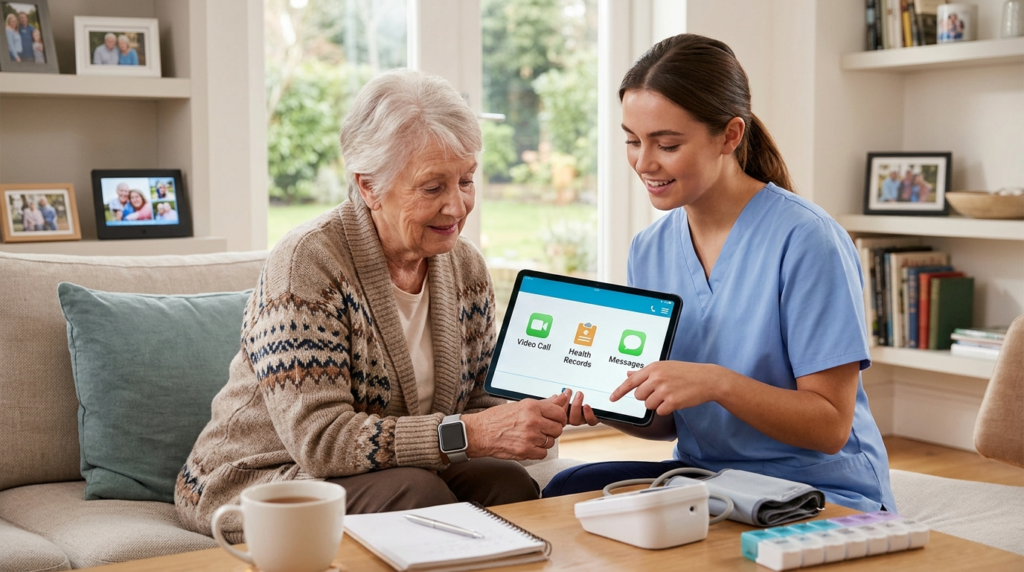
There are, however, several obstacles that still prevent older people from being included in the digital age, even with these possible advantages. Significant obstacles continue to include poverty, low literacy rates, restricted internet availability, cultural opposition, and a dearth of age-friendly technology designs. Many older people fear making errors when using technology or thinking they are “too old” to acquire digital skills. Additionally, some families may undervalue how crucial digital literacy is for the elderly. As a result, interventions should include community groups, legislators, healthcare organizations, and families in addition to educating older individuals. Public health initiatives should foster healthy attitudes toward aging and lifelong learning while fostering intergenerational support for digital inclusion.
Last, it’s my viewpoint to empower nurses so they can promote digital literacy, climate-resilient health care, and social facilitation to improve geriatric care. Integrating training for healthcare providers so they can foster care beyond the bed and serve as digital facilitators and mentors and enable older adults to access digital health services, understand climate risks, and strengthen their financial and social networks. Such a multidimensional approach aligns with Sustainable Development Goals 11 and 3 (Sustainable Cities and Communities and Good Health and Well-Being), making the world more inclusive and sustainable for all ages.
Promoting this facility in healthcare practices will be essential to ensure that aging populations are protected, connected, and updated. Upgrading the geriatric population through digital empowerment is not merely a technological task; it is an essential component of holistic, culturally congruent care.
Author Bio
Sajida Jhatial is an MScN scholar, researcher, and educationist at Aga Khan University School of Nursing and Midwifery (AKU-SONAM). She is currently working as a clinical instructor in public and private nursing institutions. She has previously served as a registered nurse at different levels of healthcare organizations and worked as a frontline healthcare provider during the COVID-19 pandemic under the Government of Sindh. She holds an MBA in Hospital and Healthcare Management (HHCM) and a bachelor’s degree in nursing.