
 Scholar Nurse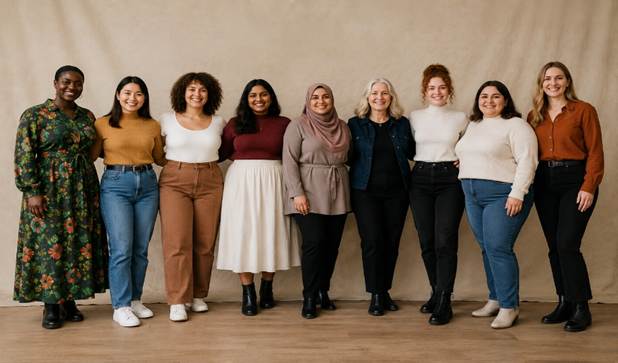
Body Shape Equality: Powerful Steps to Fair Change
“A woman’s worth should never be measured by the size or shape of her body.”
Body shape is becoming more than just a physical attribute. It is a political and social problem that is closely linked to power structures, cultural values, and gender expectations. People are evaluated based on socially acceptable criteria of appearance and beauty in all societies. Particularly, women and girls are under tremendous pressure to meet standards for physical appearance, skin tone, weight, and body size. Digital platforms, family structures, cultural customs, and the media all serve to reinforce these expectations.
The ways that society uses norms of society and beauty standards to monitor, assess, and manage bodies are referred to as the politics of body shape. The United Nations Sustainable Development Goal 5, that concentrates on attaining gender equality and empowering all women and girls, is closely related to this problem. As long as women continue to face discrimination, sexism, and social expectations based on their physical appearance, equality based on gender cannot be fully attained.
SDG 5 seeks to eradicate harmful behaviors and every sort of discrimination towards women and girls (UN Women, 2022). Judgment based on appearance is one important but sometimes disregarded type of prejudice. The degree to which women meet socially acceptable standards of beauty determines their value in various civilizations. Certain body proportions, youth, perfect skin, and thinness are often marketed as indicators of attractiveness, success, and femininity. In social as well as professional contexts, women who fall short of these irrational expectations may face discrimination, marginalization, or diminished chances (Ahmad & Safdar, 2025). Although women are treated with greater severity than men based on their physical appearance, this illustrates how bodily politics is linked to gender inequality.
The patriarchal societal structures that traditionally governed women’s bodies and conduct are the foundation of the idea of body politics. Women’s appearances have always been associated with respectability, morality, and social value. Women were expected to dress, act, and show themselves in public according to cultural norms. Many of these assumptions still exist in subtle ways even though civilizations have evolved (Gupta et al., 2023). Women are still obligated to devote a substantial amount of time, effort, and financial resources to upholding socially acceptable appearances. Promoting women’s insecurity encourages them to buy goods and services intended to help them meet idealized beauty standards, which benefits the fashion and beauty industries financially.
Social media’s growth has increased the pressure women and girls face regarding their bodies. Users are exposed to meticulously altered and filtered photographs that convey unattainable ideals of beauty on platforms like Instagram, TikTok, and Snapchat. Celebrities and influencers often post idealized depictions of their life and looks, which puts pressure on regular people to look like them (Ouvrein, 2023). Algorithms frequently reinforce limited beauty standards by rewarding conventionally appealing appearances with increased visibility and interaction. Teenage girls in particular are especially at risk because they spend a lot of time interacting with digital media. that affects how attractive and valuable they think they are.
Mental health can be severely impacted by ongoing exposure to unattainable beauty ideals. Because individuals compare themselves to idealized versions in the media or on the internet, many people become dissatisfied with their bodies. Low self-esteem, anxiety, sadness, and social disengagement are linked to body dissatisfaction. In an effort to meet socially acceptable body standards, some people may develop eating disorders, excessive exercise regimens, or harmful eating habits. Reduced confidence and emotional tiredness can also result from the need to look “perfect” (John et al., 2026). These psychological ramifications demonstrate how politics of physique is a significant public health and equal rights for women issue rather than just a surface-level one.
Another negative effect of appearance-centered social pressure is body shaming. Criticizing or making fun of somebody based on their size, shape, or attractiveness is known as body shaming. Comments concerning obesity, wrinkles, color of the skin, or physical characteristics are often directed towards women. This kind of criticism can happen online, in the workplace, in schools, and in families.
Because social media allows for widespread public comparison and judgment, body shaming has increased (Krems & Bock, 2023). While women who adhere to beauty standards are frequently objectified and valued primarily for their appearance, those who do not may be ridiculed or excluded. Because of this detrimental loop, women are under constant pressure to manage and watch their bodies in order to be accepted by society.
Communities and families have an equal influence on how people feel about their bodies. The words and attitudes that parents and other caregivers display at home have an impact on children’s self esteem. Young people can create healthier identities in supportive situations that prioritize compassion, self-assurance, intelligence, and personal development over physical looks (Verma & Juneja, 2025). Programs in the community that support diversity and inclusivity can also dispel negative preconceptions and promote acceptance of all body forms.
The relationship between SDG 5 and body politics shows that gender equality goes beyond economic involvement and legal rights. Freedom from objectification, societal condemnation, and irrational expectations regarding appearance is another aspect of true equality (Vaeza & Muschett, 2023). Women shouldn’t feel under pressure to meet unachievable standards in order to be respected or given opportunities. Societies that place more value on looks than skill hinder women’s empowerment and perpetuate inequity.
In summary, the political nature of body type is an important social issue that is closely related to societal pressure and gender inequity. The media, societal customs, and digital platforms all reinforce the constant expectations placed on women and girls regarding physical attractiveness and beauty. These pressures lead to prejudice, low self-esteem, mental health issues, and physical dissatisfaction.
Because appearance-based prejudice restricts women’s empowerment and equal opportunities in society, the issue directly connects to SDG 5. In order to achieve gender equality, it is necessary to promote inclusive portrayal, challenge unattainable beauty standards, and foster tolerance for body variety. Societies may build situations where people are appreciated for their abilities, humanity, and dignity rather than just their physical looks through community support, education, legislative change, and media responsibility.
Author Bio:
Sahiba Yaseen is a passionate MSN scholar at AKUH dedicated to exploring issues related to women’s health, body image, and social justice. Through her writing, she aims to raise awareness about gender inequality and mental health. Her work focuses on challenging unrealistic beauty standards and encouraging conversations around body positivity, equality, and emotional well-being in modern society.

References
Ahmad, G., & Safdar, Z. S. (2025). Body Shaming and Body Dissatisfaction with Mediating Role of Social Appearance Anxiety among Women University Students with Below and Above Average Body Mass Index. Pakistan Journal of Psychological Research, 40(2), 461–482. https://doi.org/10.33824/pjpr.2025.40.2.27
Gupta, M., Madabushi, J. S., & Gupta, N. (2023). Critical overview of patriarchy, its interferences with psychological development, and risks for mental health. Cureus, 15(6), e40216. https://doi.org/10.7759/cureus.40216
John, M., Habib, T., Rehman, S., Farooq, I., & Imran, M. (2026). Association of Body Shaming with Insomnia and Depression Among Female University Students: A Cross-Sectional Study. THE THERAPIST (Journal of Therapies & Rehabilitation Sciences), 22–26. https://doi.org/10.54393/tt.v7i01.300
Krems, J. A., & Bock, J. E. (2023). The role of women’s and men’s body shapes in explicit and implicit fat stigma. Obesities, 3(2), 97–118. https://doi.org/10.3390/obesities3020009
Noel Vaeza, M. N., & Muschett, M. (2023, December 25). There is no democracy without gender equality. EL PAÍS English. https://english.elpais.com/opinion/2023-12-25/there-is-no-democracy-without-gender-equality.html
Ouvrein, G. (2023). Celebrity appearance-shaming: Innocent bashing forms or reconfirming gender norms? A study into the explanations of adolescents’ celebrity appearance-shaming intentions. Cyberpsychology Journal of Psychosocial Research on Cyberspace, 17(2). https://doi.org/10.5817/cp2023-2-3
UN Women. (2022, September 7). Explainer: Sustainable Development Goal Five. https://www.unwomen.org/en/news-stories/explainer/2022/09/explainer-sustainable-development-goal-five
Verma, V., & Juneja, A. (2025). Family dynamics’ role in body shaming and body image development in young adults. The International Journal of Indian Psychology, 13(2), ISSN 2348-5396. https://doi.org/10.25215/1302.180


Such an insightful and meaningful blog! 🌸 You beautifully highlighted how social pressure and gender expectations affect body image and equality in society. Your writing is powerful, inspiring, and very relevant to SDG 5. Keep spreading awareness through your amazing work!