 Scholar Nurse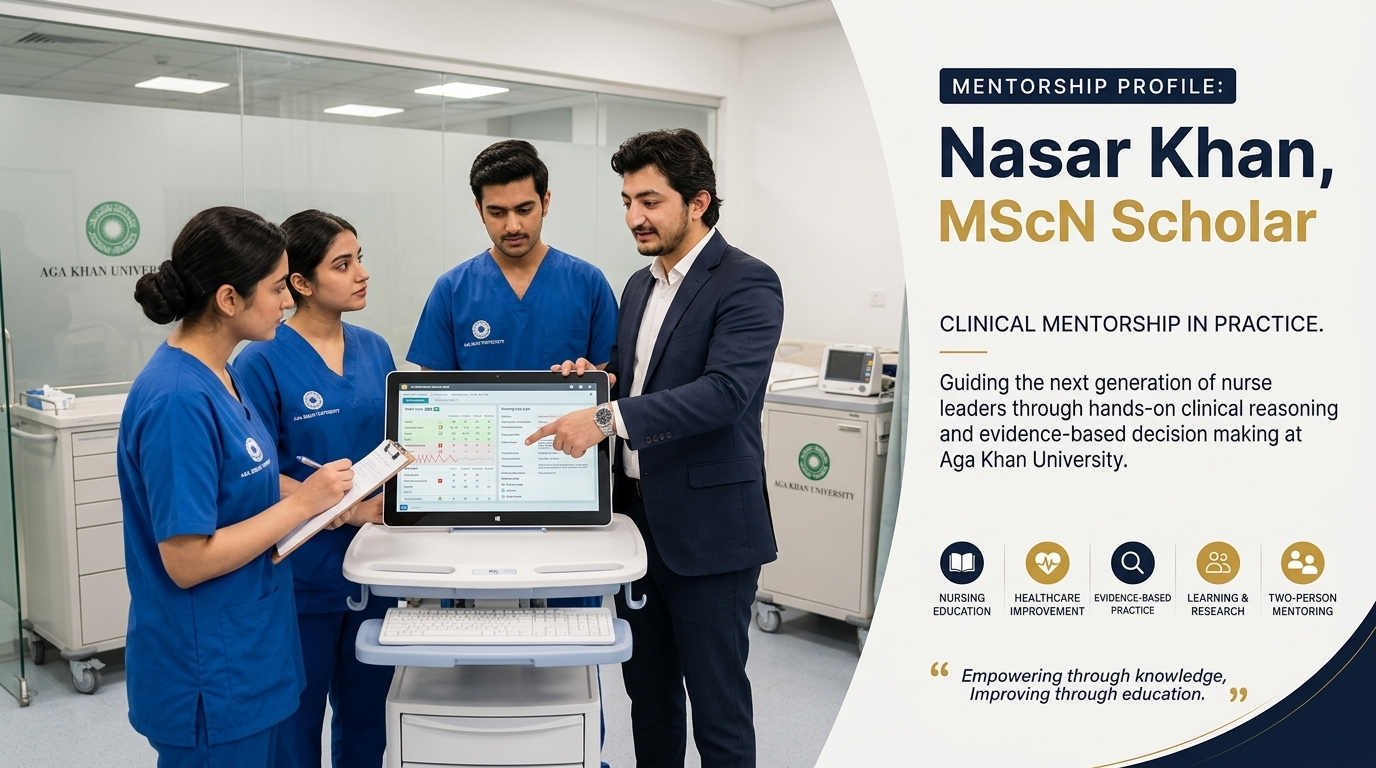
Inspiring Clinical Mentorship in Nursing Education
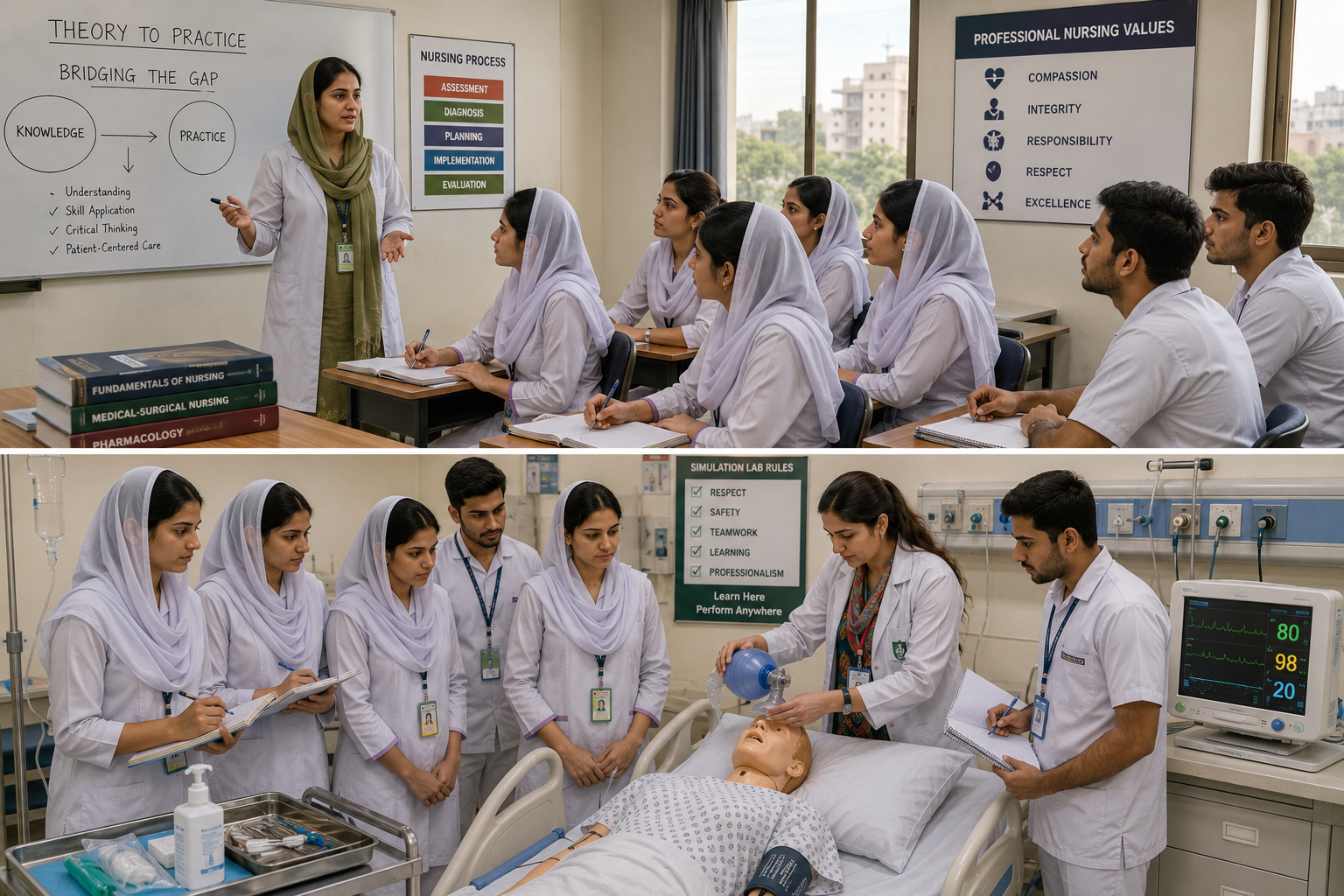
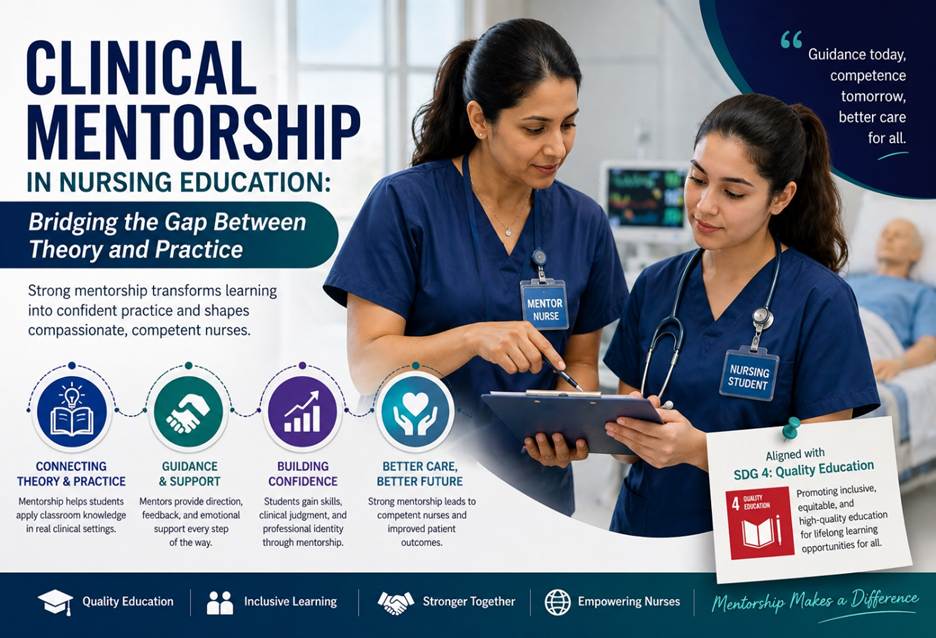
Clinical mentorship is a foundational component of nursing education, enabling students to translate theoretical knowledge into competent clinical practice. To assist students in applying concepts learned in the classroom, developing clinical judgment, improving professional communication, and engaging in reflective practice, experienced nurses or clinical instructors provide planned, deliberate instruction. Clinical mentorship is an educational relationship grounded in student-centered learning, professional modeling, evaluation, and feedback, rather than informal supervision.
For nursing students, the shift from classroom learning to practical clinical settings frequently poses serious difficulties. Students are not adequately prepared for the dynamic, unexpected, and emotionally taxing character of healthcare environments, even when classroom education offers scientific knowledge, ethical underpinnings, and conceptual frameworks. By converting clinical placements into directed learning opportunities rather than passive observed exposure, clinical mentorship closes this gap. Through mentoring, students can develop their professional identities in secure and encouraging settings, hone their psychomotor skills, and increase their decision-making ability.
Research continuously shows that student learning results are significantly impacted by mentor competency. Strong competence in supervision, helpful feedback, student-focused evaluation, professional engagement, and support for varied learners are essential for nurse mentors, according to Luukkonen et al. (2023). Their global cross-sectional study also shows that mentors’ cultural competency has a major impact on the quality of mentoring interactions, particularly for students from various linguistic and cultural backgrounds.
According to, Mikkonen et al. (2022), developing clinical mentorship skills improves the efficacy of clinical education in a variety of healthcare settings and identifies unique mentor competency profiles. Together, these results support the idea that mentoring is a professional ability that calls for planning, institutional support, and organized growth rather than just an extra duty.
Clinical mentorship has a significant impact on professional socializing in addition to skill acquisition. During clinical placements, nursing students frequently feel nervous, unsure, and afraid of making mistakes. These pressures may impede active engagement and undermine confidence in the absence of formal guidance. Good mentors help students develop their professional identities by setting an example of moral behavior, respectful communication, teamwork, and clinical reasoning. Tuomikoski et al. (2020) found a strong correlation between nurses’ experiences of mentoring competency and their capacity to foster introspective discussion and establish psychologically secure learning environments. Mentors foster profound learning and continuous professional development when they involve students in introspection, support critical thinking, and offer fair criticism.
Relation to SDG 4: High-Quality Education
The Sustainable Development Goal (SDG) 4, which seeks to “ensure a high-quality education that is equitable and inclusive and promote continuous learning opportunities for all,” is strongly aligned with clinical mentorship in nursing education (United Nations, 2025). Quality in nursing education cannot be determined only by curriculum completion or theoretical exams. Meaningful clinical learning settings where students actively participate in patient care under supervision must also be included.
Effective nursing education goes beyond imparting knowledge. It necessitates experiential learning under the guidance of capable mentors who promote constructive discourse, safe involvement, and courteous correction. Clinical placements run the risk of becoming erratic experiences based more on chance than educational intent when mentorship mechanisms are inadequate or unstructured. On the other hand, when mentorship is given priority, students are given equal chances for practice, ask questions without fear, and gradually take on responsibilities under supervision.
Workforce development priorities further highlight the need for clinical mentorship on a global scale. The World Health Organization (WHO, 2025) recognizes workforce development and nursing education capability as essential tactics for enhancing global health systems. The education of qualified nurses becomes a public health priority as healthcare demands rise as a result of population growth, aging demographics, and complicated disease burdens. A successful clinical mentorship program guarantees that graduates join the industry with practical competence, ethical awareness, and patient care confidence in addition to academic understanding. Therefore, improving mentorship programs directly supports the attainment of SDG 4 and sustainable health systems.
Diversity, Inclusion, and Humanistic Mentorship
Additionally, clinical mentorship has important ramifications for fairness, diversity, and inclusion in nursing education. In clinical settings, students from lower socioeconomic categories, rural backgrounds, language communities, and culturally diverse populations frequently face additional challenges. Communication problems, implicit bias, low self-esteem, or restricted access to networks of support are a few examples of these difficulties. Such differences have the potential to grow and have a detrimental impact on educational achievement and retention in the absence of deliberate mentoring practices.
According to Luukkonen et al. (2023), mentors’ cultural competency is essential for helping nursing students from varied language and cultural backgrounds. Mentors who are culturally competent show respect for different viewpoints, modify their communication techniques, and acknowledge how cultural context affects learning patterns. These methods create inclusive settings where every student feels respected and in control.
Clinical learning experiences may be further impacted by structures of hierarchy and resource constraints in settings like Pakistan and comparable healthcare systems. Because of strict power dynamics or fear of criticism, students may be reluctant to actively participate or raise questions. Trained mentors play a crucial role in promoting student participation and dignity in these environments. Mentors can change hierarchical clinical cultures into more encouraging learning environments by encouraging courteous communication, group learning, and psychological safety.
Humanistic mentoring is more than just skill supervision. Empathy, ethical modeling, and seeing students as growing professionals as opposed to passive learners are all part of it. In addition to improving academic performance, inclusive mentoring programs help develop caring nurses who can provide patients with culturally sensitive care. Consequently, patient-centered healthcare delivery and educational outcomes are strengthened by diversity-informed mentoring.
Strengthening Clinical Mentorship Systems
Although the benefits of clinical mentoring are well known, institutional and structural support is necessary for it to be effective. Clearly defined learning objectives, official mentorship training programs, protected teaching time, positive feedback systems, and cooperation between nursing schools and healthcare facilities are all necessary to strengthen mentorship. Without these structural components, mentoring could become erratic and reliant only on personal kindness.
Particularly important are mentor preparation programs. According to studies, clinical practice proficiency does not always equate to mentoring proficiency (Mikkonen et al., 2022). Mentors who receive structured training are better able to communicate, provide feedback, assess students, and be sensitive to cultural differences. Additionally, giving mentorship activities protected time helps avoid role overload and guarantees that mentoring duties don’t conflict with the needs of the clinical burden.
The effectiveness of mentorship is also increased when academic institutions and hospitals work together. Consistency between theoretical training and clinical goals is fostered by shared evaluation methods, frequent communication, and shared accountability for student improvement. Students benefit from a more seamless integration of knowledge and practice when educational and clinical partners collaborate.
Conclusion: Mentorship as a Pathway to Quality Learning
In nursing education, clinical mentoring is a revolutionary way to close the knowledge gap between theory and practice. It encourages the growth of ethical behavior, professional identity, therapeutic competence, and reflective thought. Research demonstrates that structured assistance, cultural sensitivity, and mentor competency greatly improve student learning results.
Mentorship enhances the quality and sustainability of nursing education, which is in line with SDG 4 and global workforce concerns. Additionally, mentoring overcomes barriers associated to diversity and advances fairness in clinical education by creating inclusive and humane learning environments.
Clinical placement transforms from exposure to practice into a guided educational journey when mentorship is valued through institutional commitment, organized preparation, and cooperative collaborations. This kind of change guarantees that aspiring nurses graduate not only as informed persons but also as self-assured, capable, and caring professionals ready to tackle changing healthcare issues.
References
Luukkonen, A.-L., Kuivila, H., Kaarlela, V., Koskenranta, M., Kaučič, B. M., Riklikiene, O., Vizcaya-Moreno, F., Pérez-Cañaveras, R. M., Filej, B., Oikarainen, A., Kääriäinen, M., & Mikkonen, K. (2023). Mentors’ cultural competence at mentoring culturally and linguistically diverse nursing students in clinical practice: An international cross-sectional study. Nurse Education in Practice, 70, 103658. https://doi.org/10.1016/j.nepr.2023.103658
Mikkonen, K., Tomietto, M., Tuomikoski, A.-M., Miha Kaučič, B., Riklikiene, O., Vizcaya-Moreno, F., Pérez-Cañaveras, R. M., Filej, B., Baltinaite, G., Cicolini, G., & Kääriäinen, M. (2022). Mentors’ competence in mentoring nursing students in clinical practice: Detecting profiles to enhance mentoring practices. Nursing Open, 9(1), 593–603. https://doi.org/10.1002/nop2.1103
Tuomikoski, A.-M., Ruotsalainen, H., Mikkonen, K., & Kääriäinen, M. (2020). Nurses’ experiences of their competence at mentoring nursing students during clinical practice: A systematic review of qualitative studies. Nurse Education Today, 85, 104258. https://doi.org/10.1016/j.nedt.2019.104258
United Nations. (2025). Goal 4: Ensure inclusive and equitable quality education and promote lifelong learning opportunities for all. https://sdgs.un.org/goals/goal4
World Health Organization. (2025). State of the world’s nursing 2025. https://www.who.int/publications/i/item/9789240110236