 Scholar Nurse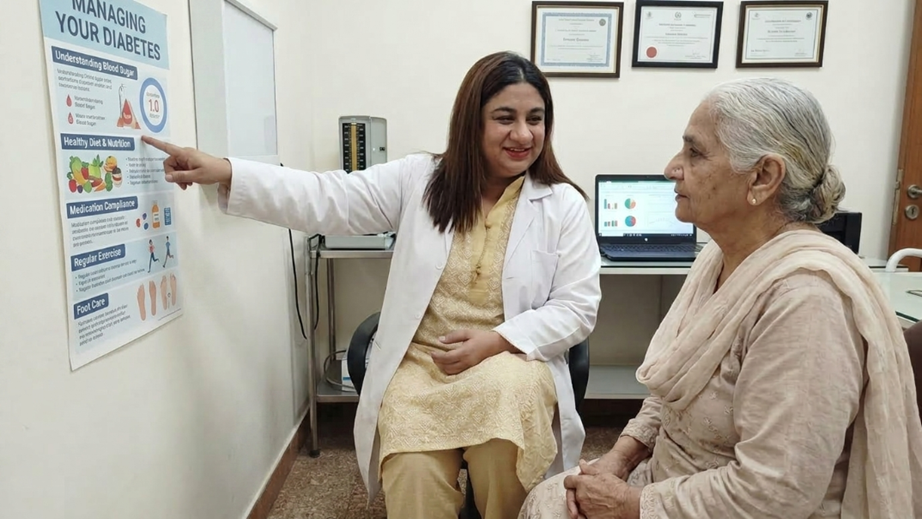
Inspiring Patient Education That Transforms Lives
Patient education is a fundamental yet often overlooked component of healthcare that directly influences recovery, treatment adherence, and long-term well-being. Many patients are discharged from healthcare facilities without fully understanding their diagnosis, medications, lifestyle modifications, or self-care instructions. As a result, this lack of understanding may lead to medication errors, worsening health conditions, complications, and repeated hospital admissions. In many healthcare settings, patients may feel overwhelmed by complex medical terminology and may hesitate to ask questions due to fear, anxiety, or lack of confidence. Consequently, patients often return home uncertain about how to manage their condition effectively.
In this context, health educators and healthcare professionals play a vital role in bridging this gap by educating patients in simple, understandable language and ensuring they feel confident in managing their health at home. Moreover, this issue is strongly aligned with Sustainable Development Goal 3 (SDG 3) Good Health and Well-Being of the United Nations, which emphasizes ensuring healthy lives and promoting well-being for all at all ages. Therefore, patient education becomes essential for achieving safe, equitable, and quality healthcare outcomes while empowering individuals to make informed health decisions (World Health Organization, 2023).
Patient education is not limited to simply giving instructions or distributing informational pamphlets. Instead, it involves a collaborative process in which healthcare providers communicate with patients, assess their understanding, and encourage active participation in healthcare decisions. Effective education helps patients understand the importance of following prescribed treatments, attending follow-up appointments, and recognizing warning signs that require medical attention.
For example, patients with chronic illnesses such as diabetes, hypertension, asthma, or heart disease require continuous education regarding medication adherence, diet, exercise, and symptom monitoring. Without proper guidance, these patients may struggle to manage their conditions, increasing the likelihood of complications and emergency hospital visits.
Furthermore, proper education helps individuals actively participate in their healthcare decisions and improves their confidence in self-management. Research shows that patients with higher health literacy are more likely to follow treatment plans correctly, manage their conditions effectively, and experience improved health outcomes (Agency for Healthcare Research and Quality, 2020). Health literacy refers to an individual’s ability to obtain, understand, and use health information to make appropriate decisions. Patients with low health literacy may misunderstand prescription labels, fail to recognize symptoms, or incorrectly follow discharge instructions.
This can negatively affect treatment outcomes and place additional burdens on healthcare systems. Therefore, improving health literacy through structured education is essential for promoting patient safety and reducing preventable complications.
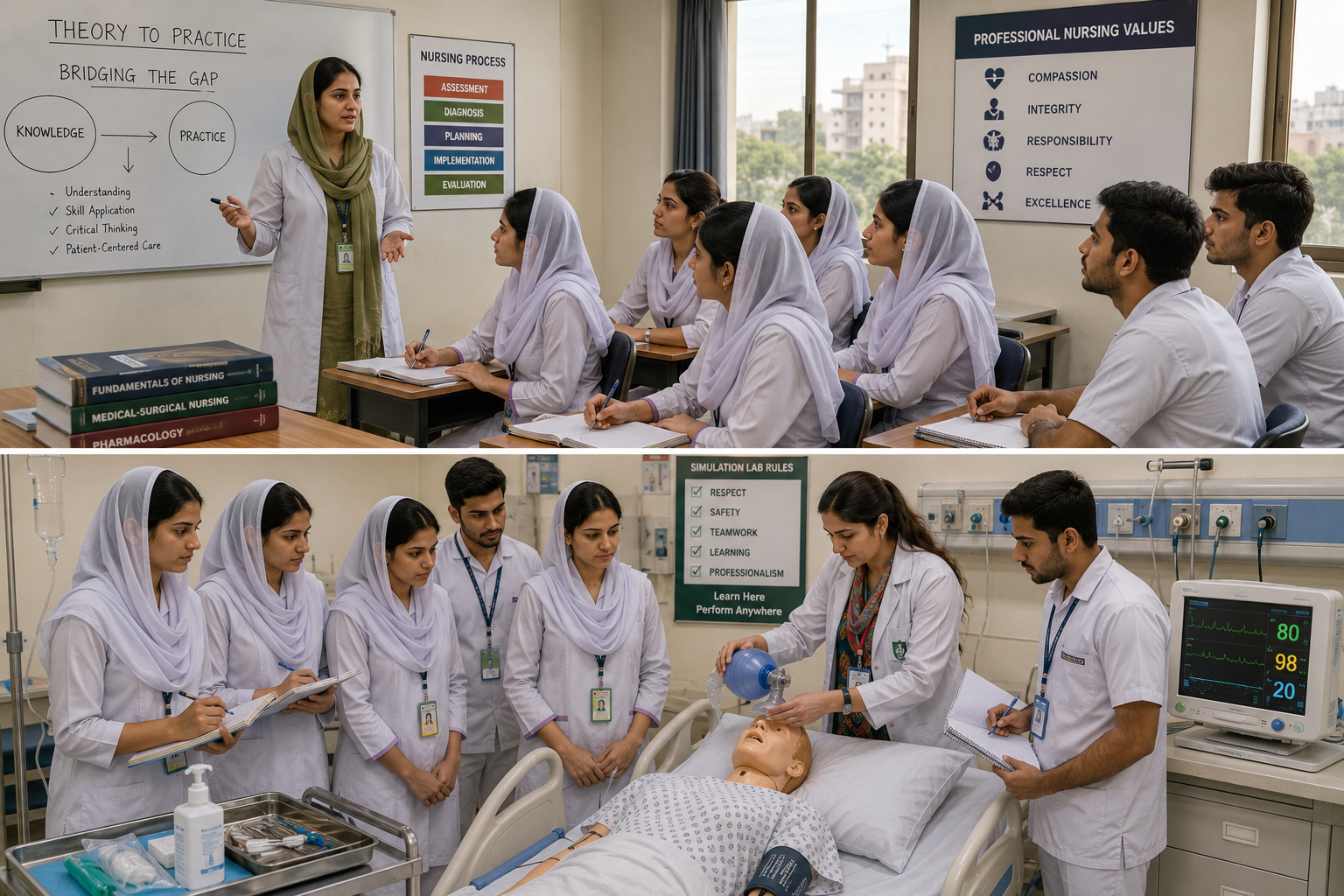
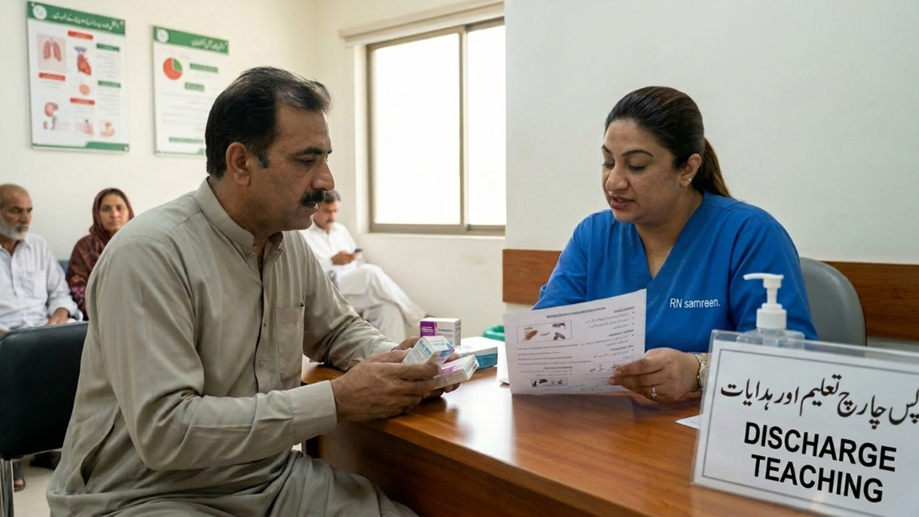
In addition, nurses play a central role in patient education because they spend significant time interacting directly with patients and families. Nurses are often responsible for explaining medical instructions, demonstrating procedures, answering questions, and confirming patient understanding during discharge planning. They also provide emotional support, which helps patients feel more comfortable discussing concerns related to their illness or treatment. For example, a nurse teaching a patient how to administer insulin injections or monitor blood pressure at home contributes directly to better disease management and improved quality of life. Through effective communication and patient-centered care, nurses empower patients to become active participants in maintaining their health.
Similarly, healthcare providers must adapt educational strategies to meet the diverse needs of patients from different cultural, linguistic, and educational backgrounds. Every patient has unique learning needs, preferences, and abilities. Some patients may understand verbal explanations easily, while others benefit more from visual demonstrations, written instructions, or interactive learning methods. Additionally, language barriers can create major challenges in healthcare communication, especially for patients who are not fluent in the primary language used in healthcare settings. In such cases, interpreters, translated educational materials, and culturally sensitive communication approaches become essential for ensuring effective understanding and reducing disparities in care.
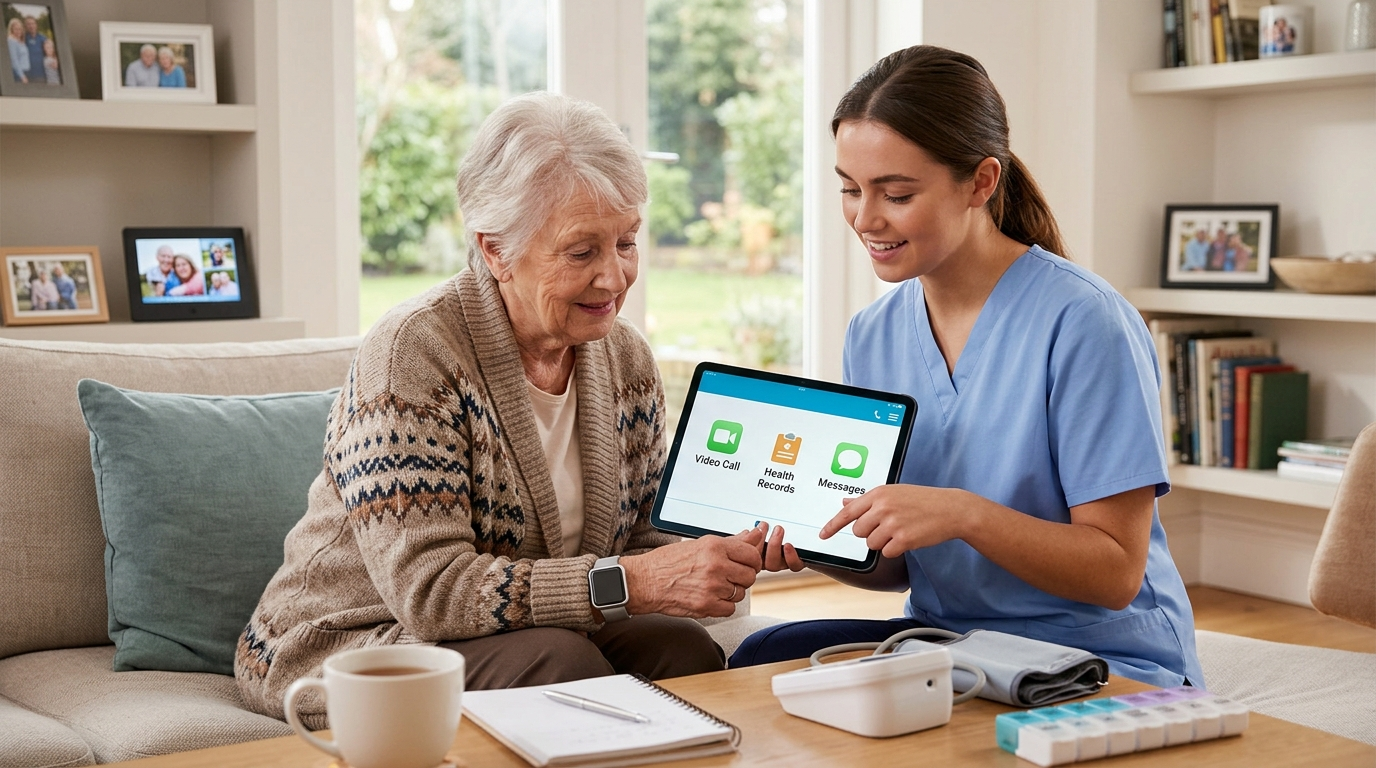
Technology has also strengthened patient education through telehealth services, mobile applications, online portals, and digital health platforms, making healthcare information more accessible than ever before. Patients can now access educational videos, medication reminders, virtual consultations, and health monitoring tools through smartphones and computers. These technological advancements are particularly beneficial for individuals living in remote or underserved areas where access to healthcare facilities may be limited. Telehealth services allow healthcare providers to educate patients remotely, answer questions, and monitor progress without requiring in-person visits. Furthermore, digital platforms encourage patients to remain engaged in their care by providing continuous access to reliable health information.
However, despite these advancements, several challenges still exist in achieving effective patient education. Individuals with low health literacy, limited digital access, financial difficulties, and language barriers may struggle to benefit fully from available educational resources. Older adults, in particular, may face difficulties using digital technology or understanding complex online information. Additionally, misinformation from unreliable internet sources and social media platforms can negatively influence patient decisions and create confusion regarding treatments and preventive care. Consequently, healthcare providers must ensure that educational materials are accurate, clear, culturally appropriate, and easy to understand for all individuals regardless of their background or education level (Berkman et al., 2011).
Another important aspect of patient education is family involvement. Families often play a significant role in supporting patients during recovery and long-term care management. Educating family members about medications, dietary requirements, follow-up care, and emergency signs can improve patient outcomes and reduce stress for both patients and caregivers. For instance, family members caring for elderly patients or individuals with disabilities need guidance regarding mobility assistance, medication administration, and infection prevention. When families are properly educated, they can provide safer and more effective support at home.
Moreover, patient education contributes significantly to healthcare cost reduction. Preventable hospital readmissions and complications place financial strain on healthcare systems worldwide. By improving patient understanding and encouraging preventive practices, healthcare providers can reduce unnecessary hospital visits and improve overall efficiency within healthcare facilities. Educated patients are more likely to seek timely medical care, adhere to treatment plans, and adopt healthier lifestyles, all of which contribute to better population health outcomes. Therefore, investing in patient education not only benefits individuals but also strengthens healthcare systems and supports public health goals globally.
Patient education is also closely connected to preventive healthcare. Educating communities about vaccination, nutrition, hygiene, mental health awareness, and disease prevention can reduce the spread of illnesses and improve public health. Public health campaigns and community outreach programs play an important role in raising awareness about healthy behaviors and encouraging early detection of diseases. These educational initiatives are especially important in low-resource settings where preventable diseases continue to affect vulnerable populations disproportionately.
In conclusion, patient education is a key strategy for achieving SDG 3 by improving health outcomes, reducing hospital readmissions, and promoting long-term wellness. In addition, it strengthens the role of nurses and healthcare professionals as educators and advocates for patient safety. As healthcare systems continue to evolve, the importance of clear, inclusive, and accessible education will become even more critical. However, gaps in health literacy, unequal access to healthcare information, and cultural barriers remain significant challenges that must be addressed urgently.
Therefore, healthcare institutions must invest in structured patient education programs, continuous professional training, digital accessibility, and community awareness initiatives. Ultimately, patient education will continue to support the global vision of SDG 3 by empowering individuals, improving decision-making, promoting preventive healthcare, and building healthier communities worldwide.
Author Bio
Samreen Khowaja is currently pursuing a Master of Science in Nursing (MScN) at Aga Khan University. She has extensive clinical experience as a registered nurse (RN), having served at Dr. Ruth K. M. Pfau Civil Hospital, Karachi, from 2020 to 2025. Prior to this, she worked as an RN at Aga Khan University Hospital from 2014 to 2020.
She completed her Bachelor of Science in Nursing (BSN) from Liaquat University of Medical and Health Sciences in 2014. Her professional interests include nursing education, patient-centered care, clinical leadership, and advancing the quality of healthcare services.

REFERENCES
Agency for Healthcare Research and Quality. (2020). Health literacy universal precautions toolkit. https://www.ahrq.gov/health-literacy/improve/precautions/index.html
Berkman, N. D., Sheridan, S. L., Donahue, K. E., Halpern, D. J., & Crotty, K. (2011). Low health literacy and health outcomes: An updated systematic review. https://www.ncbi.nlm.nih.gov/pmc/articles/PMC3402251/
World Health Organization. (2023). Health promotion and patient education. https://www.who.int
United Nations. (n.d.). The 17 goals. Sustainable Development Goals. https://sdgs.un.org/goals